 EN
EN

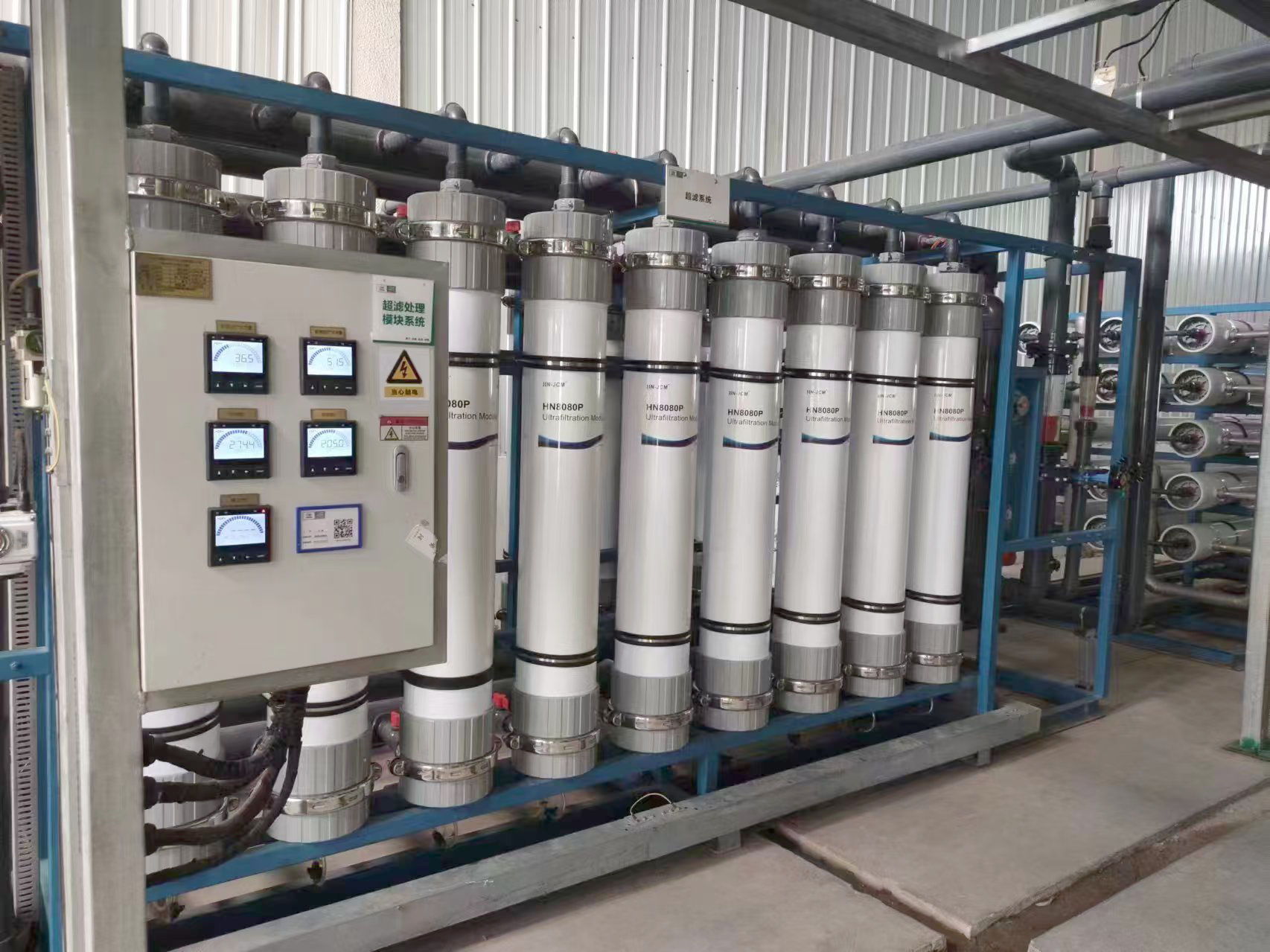
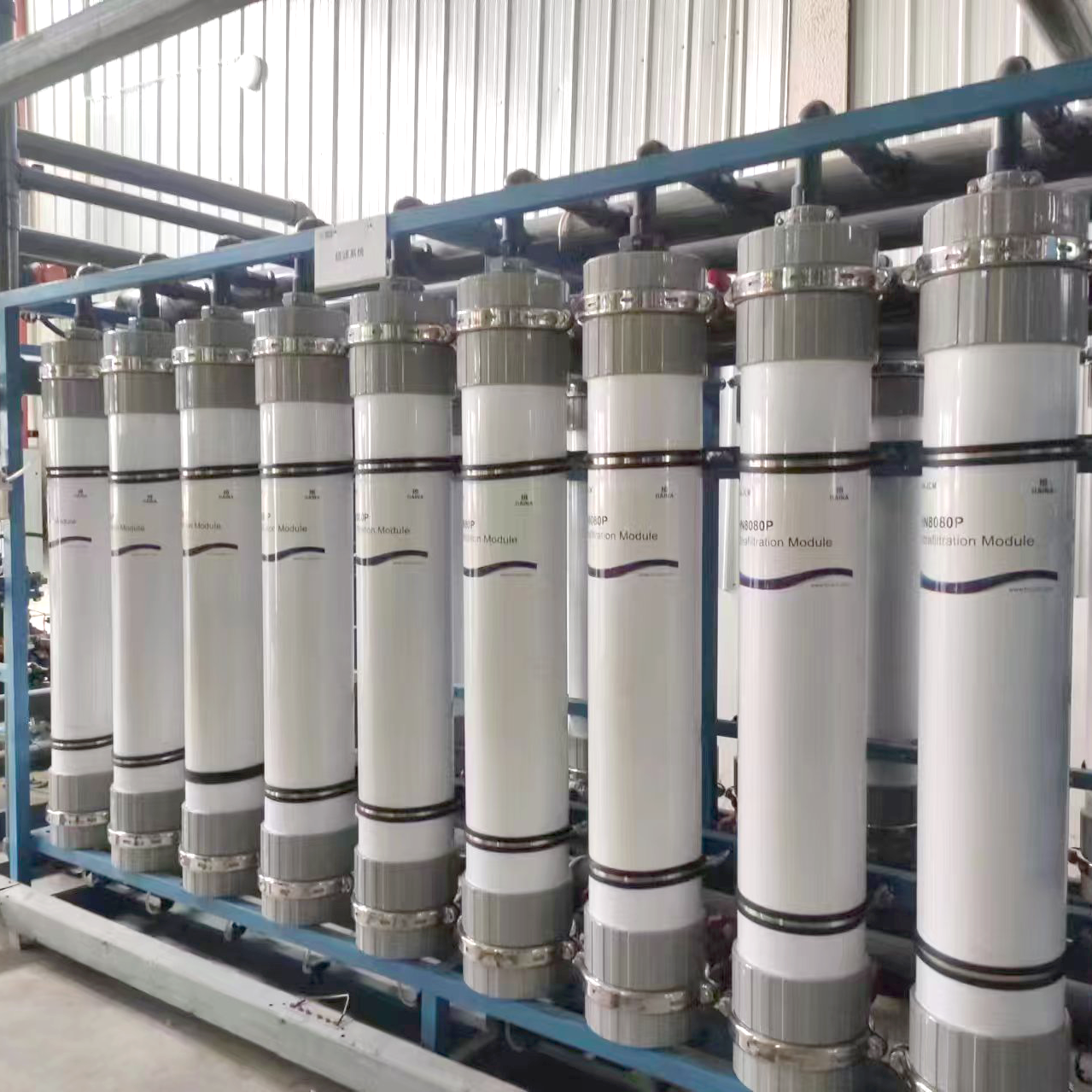
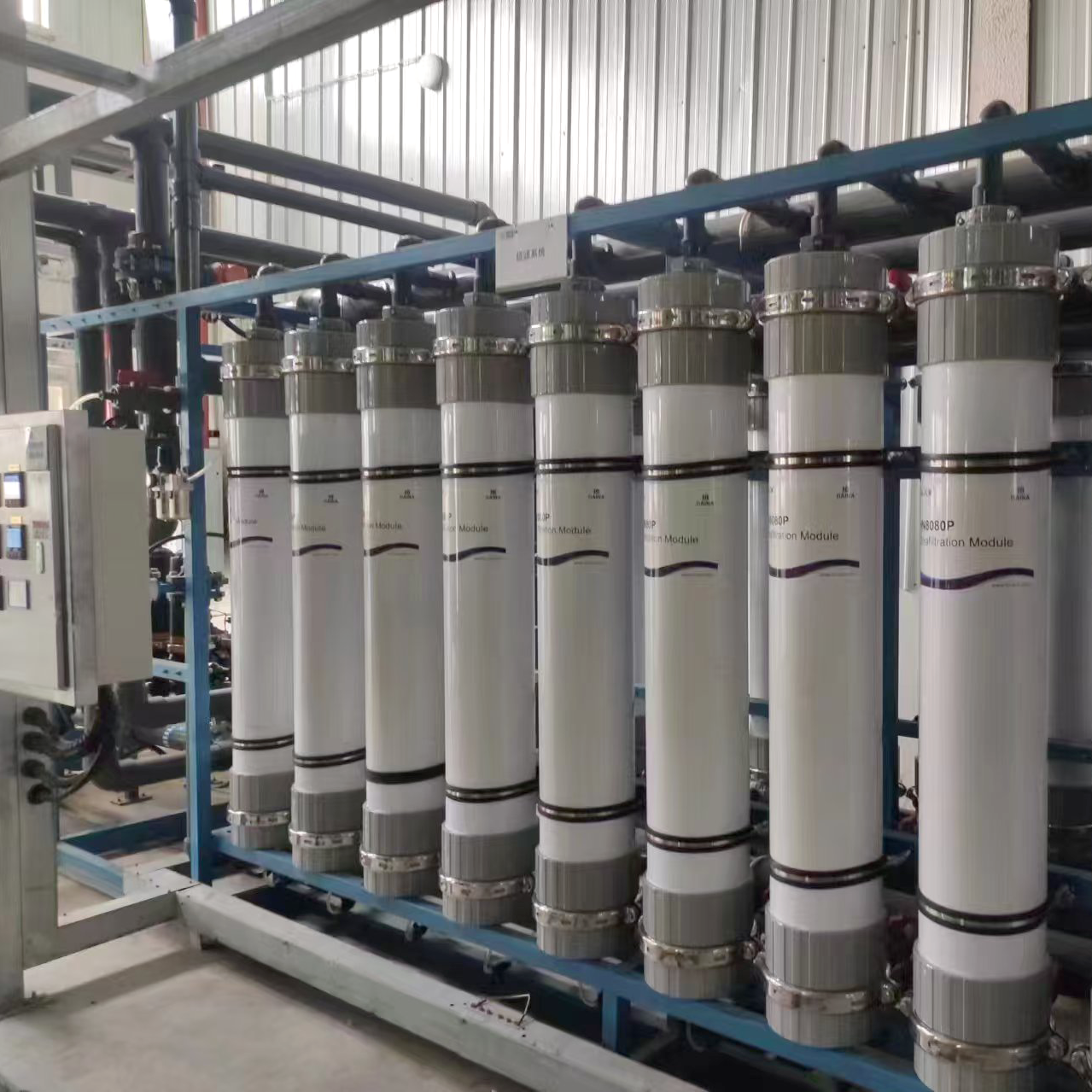
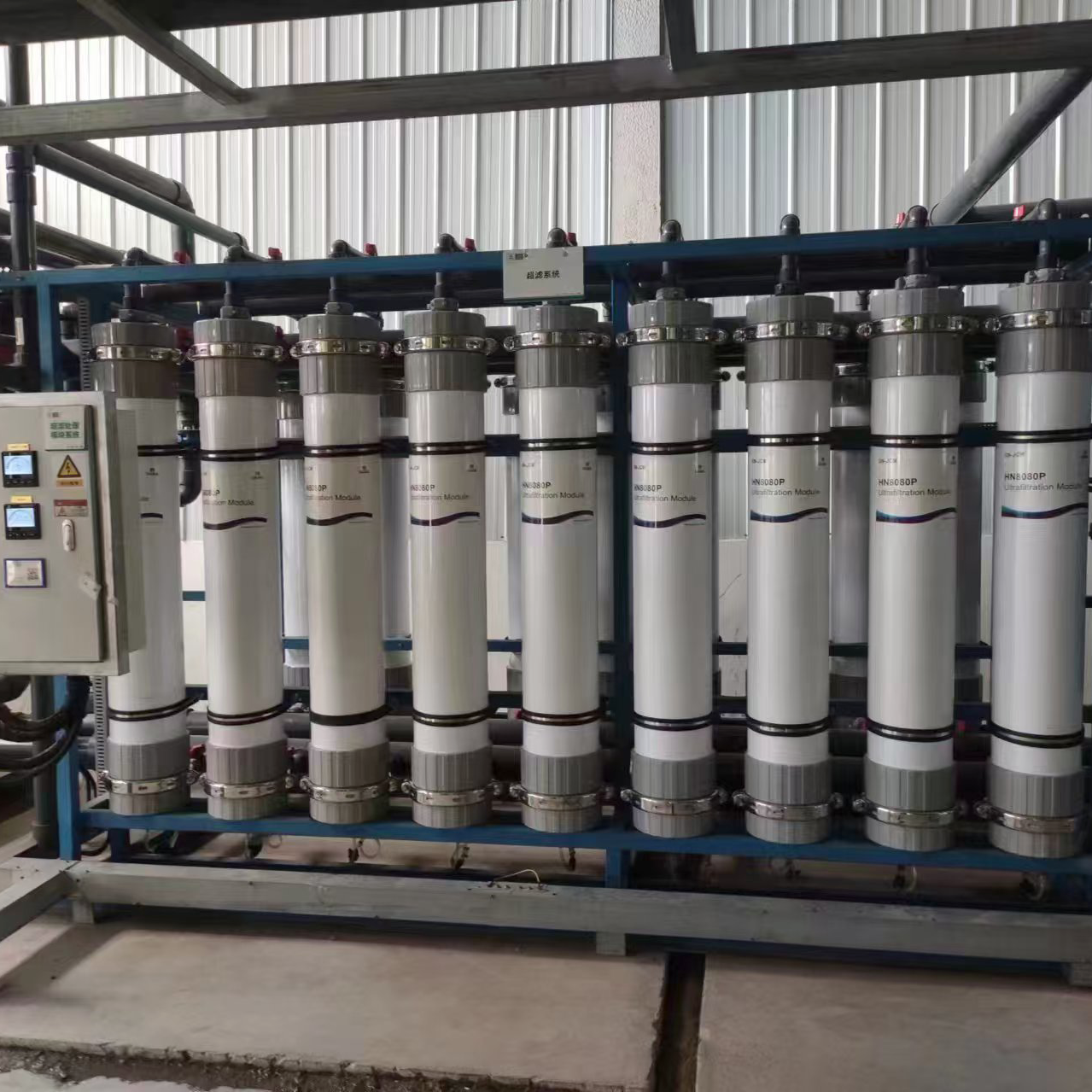
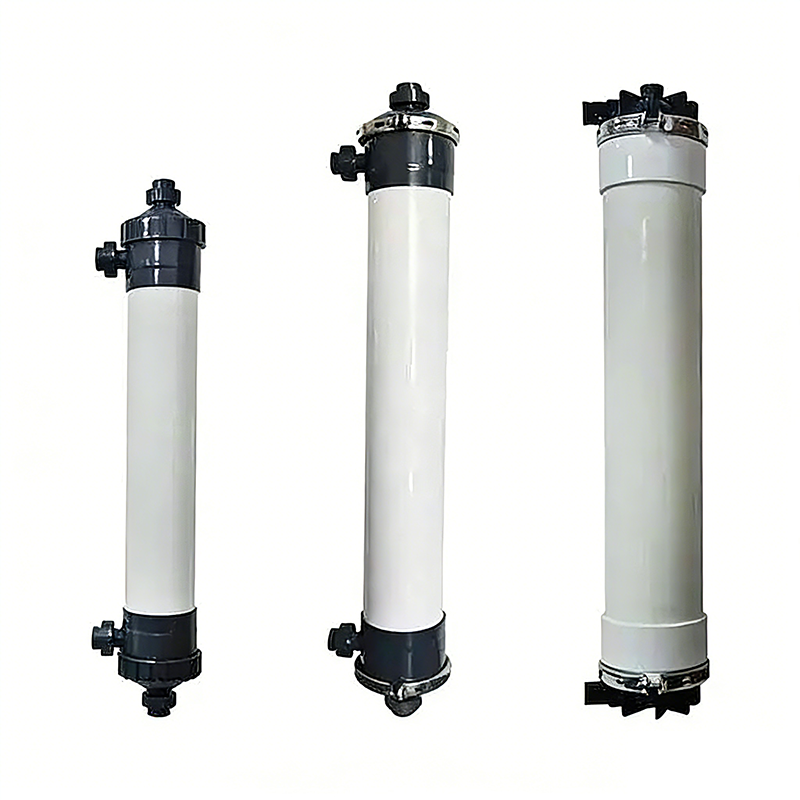
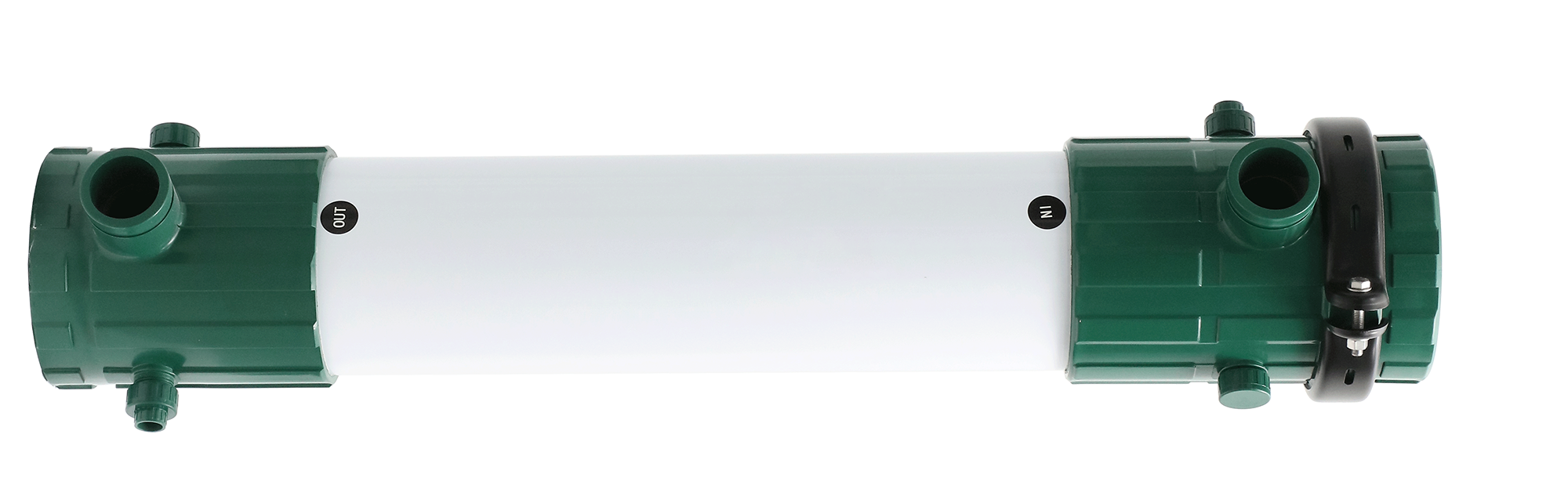
Ultrafiltration membrane 6060P/6060D
"The pore size of ultrafiltration membranes lies between that of microfiltration and nanofiltration, typically ranging from 0.001 to 0.1 micrometers, with a molecular weight cut‑off (MWCO) spanning 1,000–500,000 Daltons. They can efficiently remove suspended solids, colloids, bacteria, viruses, and macromolecular organic matter from water; however, they are unable to retain dissolved inorganic salts (e.g., Na⁺, Cl⁻) or small molecular substances. Consequently, the permeate generally retains its mineral content."
- Overview
- Parameter
- SIZE
- HYNAMO Ultrafiltration Membrane The HYNAMO ultrafiltration
- Recommended Products
Filtration Range of Ultrafiltration Membranes
(1) Macromolecular organic substances
(2) Fats, oils, proteins, starch, emulsions, latex, pigments, enzymes, fermentation broths, PVA, dyes, nucleic acids, polysaccharides, peptides, pectin, electrophoretic paints, antibiotics, glucose, egg white, etc.
(3) Microorganisms
(4) Bacteria, viruses, Cryptosporidium, Giardia lamblia, pyrogens, parasites, Escherichia coli, vaccines, algae, etc.
(5) Colloids
(6) Colloidal silica, colloidal aluminum, colloidal iron, etc.
(7) Suspended solids
(8) Metal precipitates, suspended solids, etc.
Parameter
| MODEL | HN6060P | HN6060D | |
| Product specifications | application | water preprocessing | NSF/ANSI61 drinking water |
| Material | PDVF Hollow Fiber | ||
| Effective Membrane Surface Area, m2(ft2) | 33(355) | ||
| Membrane Module Capacity, L(gal) | 16(4.2) | ||
| Weight (Empty/Filled with Water), kg(lb) | 25/41(55/90) | ||
| Operating Parameters | Filtration Flux (at 25°C), L/m2/hr | 40-90 | |
| Flow Rate Range, m3/hr | 2.0-4 | ||
| pH (Operating) | 2-11 | ||
| Temperature, °C | 1-40 | ||
| Maximum Feed Water Pressure for Membrane Module (@ 20°C), bar | 6.25 | ||
| Maximum Operating Transmembrane Pressure Difference, bar | 2.1 | ||
| Maximum Air Scouring Flow Rate, Nm3/hr | 12 | ||
| Maximum Backwash Pressure, bar | 2.5 | ||
| Maximum NaClO Tolerance Concentration, mg/L | 2000 | ||
| Maximum Suspended Solids Tolerance Concentration, mg/L | 100 | ||
| Turbidity (Maximum), NTU | 300 | ||
| Particle Size (Maximum), μm | 300 | ||
| Flow Configuration | Outside-in, dead-end filtration | ||
| Expected Post-filtration Turbidity, NTU | ≤0.1 | ||
| Expected Filtration Sludge Density Index (SDI) | ≤2.50 | ||
Operation: During start-up, shut-down, cleaning, or other operational processes, it is important to prevent damage to the membrane elements caused by sudden pressure changes. Prior to start-up, the UF system should be flushed to remove the transport protection fluid and expel any residual air. During the initial operation, the equipment should be started manually, with the initial permeate flow rate controlled at 60% of the designed capacity. The permeate produced during the first run should be discharged completely; specific requirements may vary depending on the application.
SIZE 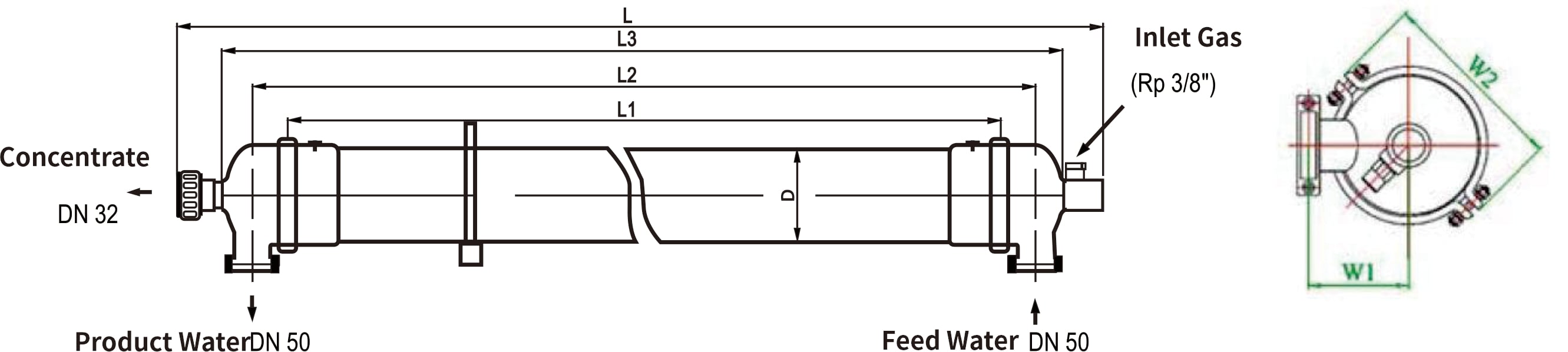
| L, inch (mm) | L1, inch (mm) | L2, inch (mm) | L3, inch (mm) | D, inch (mm) | W1, inch (mm) | W2, inch (mm) |
| 73.2(1863) | 59.1(1500) | 63.4(1610) | 67.3(1710) | Φ6.5(Φ165) | 4.9(125) | 9.8(250) |
HYNAMO Ultrafiltration Membrane
The HYNAMO ultrafiltration membrane is manufactured from polyvinylidene fluoride (PVDF). Its most prominent feature is exceptional chemical stability, which in turn endows it with outstanding resistance to oxidation and to both acids and alkalis. To ensure normal membrane operation and stable water flux, regular cleaning is required. The most effective method is oxidative cleaning; however, oxidants can damage the membrane. The tolerance of PVDF to oxidizing agents (such as sodium hypochlorite) is more than ten times that of materials like polyethersulfone (PES) and polysulfone (PSF), thereby significantly prolonging its service life. In addition, PVDF possesses excellent flexibility. Field investigations and case studies have demonstrated that PVDF membranes exhibit the lowest fiber breakage rate. As a result, they are being increasingly widely applied in wastewater treatment.
Brief Characteristics of PVDF Membrane Modules:
(1) High oxidation resistance and cleanability: The superior quality of PVDF material ensures strong chemical stability of the membrane product. This high chemical stability, in turn, allows the membrane to withstand cleaning with high-concentration oxidants, effectively preventing the proliferation of bacteria and other microorganisms.
(2) High flux: The membrane features high porosity, which endows the module with a high permeate flux.
(3) High strength and good flexibility: The membrane fibers are both strong and highly flexible, making them resistant to breakage during cleaning procedures.
(4) High fouling resistance: Through hydrophilic modification, the product's resistance to fouling has been greatly enhanced.
(5) Excellent permeate quality: The membrane has a small nominal pore size, so when applied, it can remove almost all suspended particles, microorganisms, colloids, pathogens, and bacteria from the feed water.
(6) Long service life: The modules typically adopt an outside‑in flow configuration, which is less prone to clogging. This design provides a larger filtration area and higher contaminant loading capacity. It also facilitates easier and more thorough cleaning, allowing timely removal of surface fouling, thereby extending the membrane's operational lifespan.