
 EN
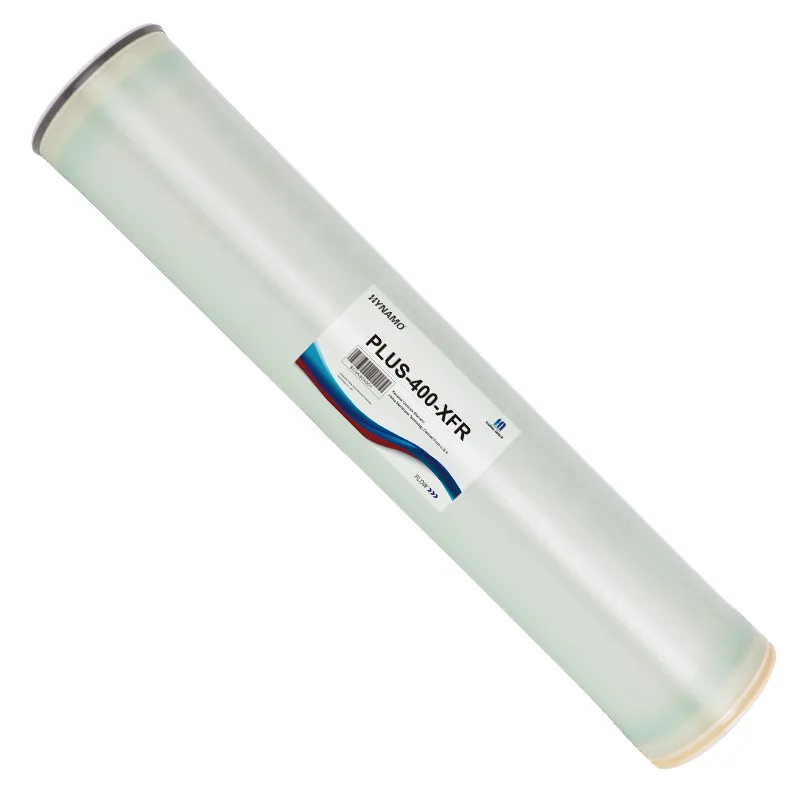
Pre-Treatment Accessories to Protect the RO Membrane Filter
Sediment and Carbon Prefilters: Preventing Fouling and Chlorine Damage
Effective pre-treatment is the frontline defense for any RO membrane filter. Sediment and carbon prefilters work in tandem to protect the delicate thin-film composite (TFC) layer. A 5-micron sediment prefilter captures suspended solids—sand, silt, rust, and other particulates—that would otherwise clog the narrow spiral-wound channels of the membrane. Left unchecked, such fouling causes rapid pressure drop, reduced flow, lower recovery rates, increased energy demand, and eventual irreversible surface damage.
Directly downstream, an activated carbon prefilter adsorbs chlorine, chloramines, and organic contaminants. Municipal supplies often contain free chlorine at 0.2–1.0 ppm—a known oxidant that degrades polyamide TFC membranes. Oxidation compromises salt rejection and accelerates failure. Removing these oxidants before they reach the membrane preserves selectivity and significantly extends service life. Industry experience confirms that dual-stage prefiltration can increase membrane longevity by 50% or more. To sustain protection, monitor pressure drop across the sediment filter and test for chlorine breakthrough at the carbon outlet; replace both cartridges every 6–12 months based on usage and feed-water quality. Consistent maintenance ensures stable permeate quality and minimizes unplanned downtime.
Core Operational Accessories for Optimal RO Membrane Filter Performance
High-Pressure Booster Pump (60+ PSI) and Precision Pressure Gauges
Most residential water supplies deliver only 40–50 PSI—below the 60 PSI minimum required for rated RO membrane performance. Operating at insufficient pressure reduces permeate output by up to 35% and lowers TDS rejection by 5–7%, according to a 2022 International Water Association analysis. A high-pressure booster pump reliably elevates feed pressure to 60–80 PSI, often with adjustable bypass control. Look for models with built-in dry-run protection and compact under-sink designs.
Precision pressure gauges provide actionable insight: one mounted before the membrane housing tracks feed pressure, while a second on the permeate side helps detect early fouling via rising differential pressure. Together, the pump and gauges stabilize flux and rejection, support consistent 15–25% system recovery, and reduce mechanical stress on the membrane—directly contributing to longer service life and predictable performance.
RO Membrane Housing and Certified TFC Membrane Elements
The foundation of reliable RO performance is a certified TFC (Thin Film Composite) membrane element. Its polyamide barrier delivers >98% salt rejection and, when NSF/ANSI 58-certified, consistently removes lead, cysts, nitrate, fluoride (>99%), and other regulated contaminants—as verified in 2023 public health lab testing.
This element must be housed in a pressure-tight enclosure made from food-grade polypropylene or corrosion-resistant stainless steel—both compliant with NSF/ANSI 61. The housing must match standard dimensions (e.g., 1812 for point-of-use systems) and include a permeate-side check valve to prevent backflow. O-rings should be inspected regularly and replaced every 2–3 years to maintain seal integrity. Proper pairing of certified membrane and compliant housing ensures stable rejection, prevents internal leakage, and guarantees safe, high-quality permeate for daily use.
Post-Treatment and Monitoring Accessories for Water Quality & System Longevity
TDS Meter, Flow Restrictor, and Remineralization Cartridge
A TDS meter is the simplest, most effective tool for verifying membrane performance in real time. By comparing feed-water and permeate TDS levels, it confirms whether rejection remains within the expected 90–99% range. A sudden rise in permeate TDS signals potential membrane damage, fouling, or seal failure—enabling prompt diagnosis before water quality deteriorates.
The flow restrictor, installed on the concentrate line, maintains optimal hydraulic balance across the membrane. It enforces the target waste-to-permeate ratio (typically 3:1 to 5:1), preventing low recovery, excessive brine velocity, or internal compaction—all of which accelerate wear. Using an incorrectly sized restrictor undermines efficiency and shortens membrane life.
Finally, a remineralization cartridge reintroduces calcium and magnesium post-filtration. This corrects the flat taste of demineralized water and raises pH to a non-corrosive level, protecting downstream plumbing and appliances. Together, these three accessories transform basic filtration into a fully monitored, taste-optimized, and system-resilient solution.
Safety and Automation Accessories for Reliable RO Membrane Filter Operation
Automatic Shut-Off Valve (ASO), Check Valve, and Drain Saddle Kit
An Automatic Shut-Off Valve (ASO) is essential for water conservation and membrane protection. It halts feed-water flow when the storage tank reaches preset pressure—stopping unnecessary drain discharge and reducing total system water waste by up to 70%. Without it, continuous pressurization increases fouling risk and wastes resources.
A check valve on the permeate line prevents reverse flow from the pressurized storage tank. Backpressure can delaminate the TFC membrane’s ultra-thin layers—a leading cause of premature output decline, as documented in failure analyses by major membrane manufacturers.
Lastly, the drain saddle kit provides a secure, code-compliant connection to the sink drain for the reject water line. Correct installation ensures both leak-free operation and the required air gap—critical for preventing cross-contamination and safeguarding potable water integrity.
FAQ
What is the role of sediment and carbon prefilters in an RO system?
Sediment prefilters capture solids such as sand, rust, and silt, protecting the membranes from fouling, while carbon prefilters remove chlorine and organic contaminants, preventing chlorine-related damage to membranes.
Why is a high-pressure booster pump necessary?
Standard residential water pressure may be too low for optimal RO performance. A booster pump elevates the pressure to appropriate levels, ensuring efficient water filtration and system longevity.
How does a TDS meter help in monitoring an RO system?
A TDS meter measures total dissolved solids in the water, helping users verify membrane performance and identify potential issues like fouling or seal failure in real time.
What does a remineralization cartridge do?
It reintroduces minerals like calcium and magnesium back into the water post-filtration, improving taste and preventing corrosion.
Why is an Automatic Shut-Off Valve important?
It conserves water by stopping the feed-water flow when the storage tank is full, reducing wastage and protecting the membrane from unnecessary pressurization.