
 EN
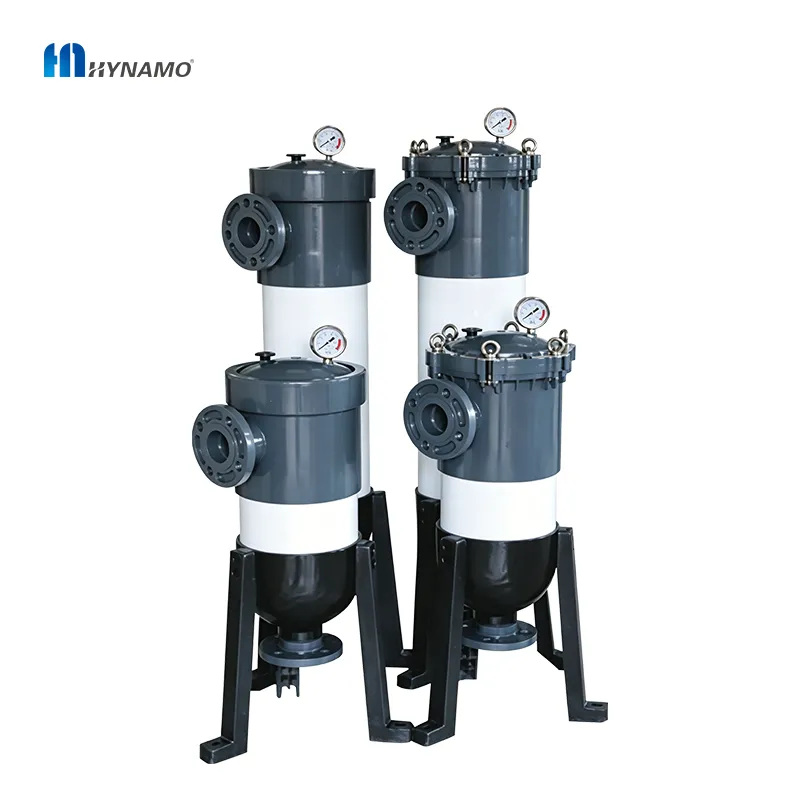
The Dual Problem: Why Hard Water and Contaminants Require a Unified Water Softener and Filter System
Co-occurrence of Scale-Forming Minerals and Harmful Impurities in Municipal and Well Water
Over 85% of U.S. homes receive hard water—rich in calcium and magnesium—that deposits scale inside pipes, water heaters, and appliances (U.S. Geological Survey, 2021). At the same time, the Environmental Protection Agency regulates more than 90 contaminants commonly found in municipal supplies, including chlorine, heavy metals, pesticides, and microbial cysts. Well water introduces additional challenges—such as iron, manganese, and hydrogen sulfide—without centralized treatment oversight. This overlap means households often face both mineral scaling and aesthetic or health-compromising impurities simultaneously. Treating only hardness leaves behind disinfection byproducts, sediment, and dissolved solids; filtering alone ignores the silent, cumulative damage of scale. A fragmented approach fails because these issues don’t occur in isolation—they interact, accelerating wear on infrastructure and degrading water quality across every use point.
How Integrated Treatment Addresses Root Causes—Not Just Symptoms
A true water softener and filter system resolves both problems at their source through a coordinated, sequential process. It first removes hardness ions via ion exchange, then eliminates chemical and particulate contaminants using activated carbon and sediment filtration. Unlike stopgap solutions—bottled water, descaling agents, or single-function units—this integrated design ensures softened water is also clean, and filtered water is non-scaling. The result is whole-house protection: clear plumbing, fresher-tasting water, reduced appliance stress, and consistent performance without trade-offs. By addressing mineral chemistry and contaminant physics in one engineered flow path, it delivers outcomes no standalone device can match.
How a Water Softener and Filter System Works: Core Technology and Smart Integration
Three-Stage Operation: Ion Exchange Softening, Activated Carbon Filtration, and Sediment Pre-Filtration
A combined system follows a precise, three-stage treatment sequence designed to resolve both physical and dissolved water quality threats:
Sediment pre-filtration serves as the critical first defense—capturing sand, silt, rust, and other particles larger than 5 microns. Removing suspended solids protects downstream components from abrasion and fouling, preserving resin bed integrity and extending system life.
Ion exchange softening occurs next. As water passes through a bed of sodium- or potassium-charged polymer resin beads, calcium and magnesium ions bind to the resin in exchange for harmless sodium or potassium ions. This molecular-level swap neutralizes scale-forming potential before it reaches fixtures or appliances.
Activated carbon filtration, the final polishing stage, targets chlorine, chloramines, volatile organic compounds (VOCs), and taste-and-odor compounds. Placing carbon after softening prevents premature exhaustion from iron precipitation or scale buildup—ensuring maximum adsorption capacity and longer media life.
Emerging Smart Features: Dual-Tank Monitoring for Resin Saturation and Carbon Exhaustion
Today’s advanced systems go beyond timed regeneration. Dual-tank monitoring uses independent sensors to track resin saturation and carbon exhaustion in real time. Water usage analytics trigger brine regeneration only when needed—cutting salt and wastewater use by up to 50% versus fixed-schedule models. A dedicated algorithm calculates remaining VOC adsorption capacity and alerts users via smartphone—specifying whether action is required for salt replenishment or carbon replacement. This intelligence enables proactive, data-driven maintenance that sustains performance without guesswork.
Tangible Benefits of a Water Softener and Filter System: Appliance Protection, Taste, and Health
Energy and Maintenance Savings: 42% Less Water Heater Energy Loss and 68% Fewer Dishwasher Repairs
Scale insulates heating elements, forcing water heaters to consume more energy to reach target temperatures. By removing hardness ions upstream, integrated systems maintain thermal efficiency. A 2023 field study by a national water treatment council documented a 42% reduction in water heater energy loss after installation—delivering measurable utility savings month after month. Similarly, dishwashers benefit from unobstructed spray arms, cleaner heating elements, and reduced mineral residue on internal components. That same study found a 68% drop in dishwasher repairs over three years among homes with unified softening and filtration. The sediment pre-filter further safeguards pumps and seals from abrasive wear—reducing service frequency and supporting long-term budget predictability.
Improved Daily Outcomes: Better Taste, Reduced Skin Irritation, and Cleaner Laundry
The impact extends far beyond equipment longevity. Softened, filtered water enhances everyday experiences: coffee and soups taste brighter without mineral interference; showers leave skin feeling clean—not coated—reducing dryness and irritation; and laundry rinses more completely, resulting in fluffier towels, vibrant colors, and softer fabrics against the skin. Many users notice improvements in skin texture and hair manageability within two weeks. These consistent, holistic gains—across hygiene, cooking, cleaning, and comfort—make the system a high-value upgrade to daily living.
Choosing the Right Water Softener and Filter System: Whole-House vs. Hybrid Deployment Strategies
The optimal configuration depends on household priorities. A whole-house system, installed at the main water line, treats all incoming water—preventing scale throughout plumbing, protecting water heaters and washing machines, and delivering consistently improved water quality to every tap and fixture. In contrast, a hybrid strategy pairs whole-house softening with targeted point-of-use filtration—like reverse osmosis at the kitchen sink—to provide ultra-pure drinking water while maintaining softened water for bathing and laundry. According to the Water Quality Association, the most effective selection begins with a professional water test to identify specific hardness levels, contaminant profiles, and usage patterns—ensuring the chosen system precisely matches your home’s unique needs.
FAQs
What are the signs of hard water in a home?
Common signs include scale buildup on faucets and showerheads, reduced soap lather, skin irritation, and white spots or streaks on dishes and glassware.
How does a water softener differ from a water filter?
A water softener specifically removes calcium and magnesium to prevent scaling, while a water filter aims to eliminate contaminants such as chlorine, sediments, and VOCs.
Can I install a water softener and filter system myself?
While smaller, point-of-use systems may allow DIY installation, whole-house systems typically require professional setup to ensure proper integration and functioning.
How often do I need to replace filters or regenerate the system?
It depends on your water usage and quality. Smart systems monitor saturation and alert you in real-time when maintenance is needed.
What are the benefits of a smart water treatment system?
Smart systems optimize maintenance schedules, reduce salt and water waste, track resin and filter usage, and offer mobile alerts for timely actions.
Table of Contents
- The Dual Problem: Why Hard Water and Contaminants Require a Unified Water Softener and Filter System
- How a Water Softener and Filter System Works: Core Technology and Smart Integration
- Tangible Benefits of a Water Softener and Filter System: Appliance Protection, Taste, and Health
- Choosing the Right Water Softener and Filter System: Whole-House vs. Hybrid Deployment Strategies