 EN
EN

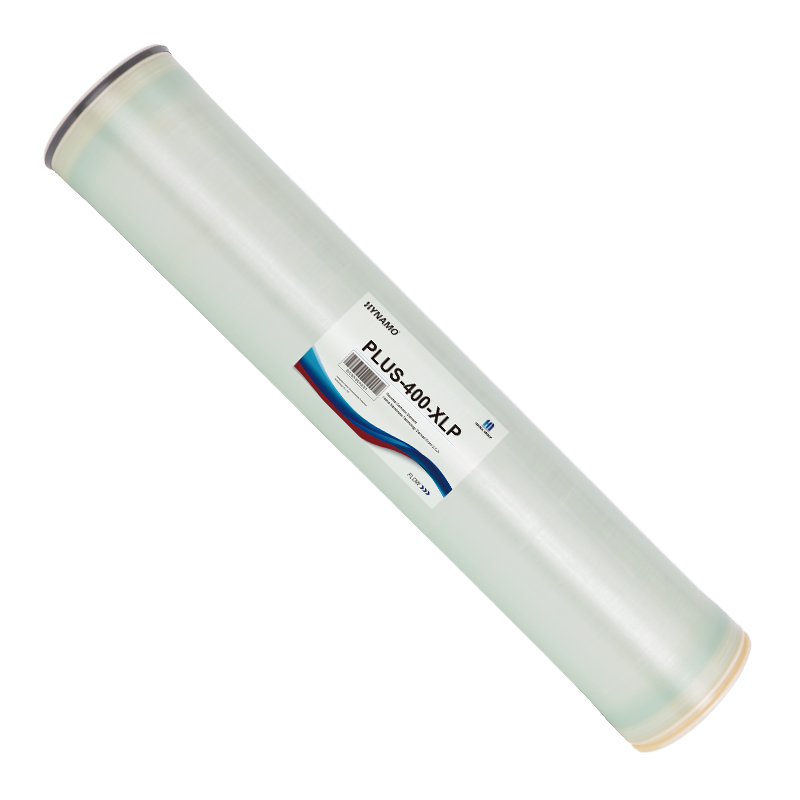
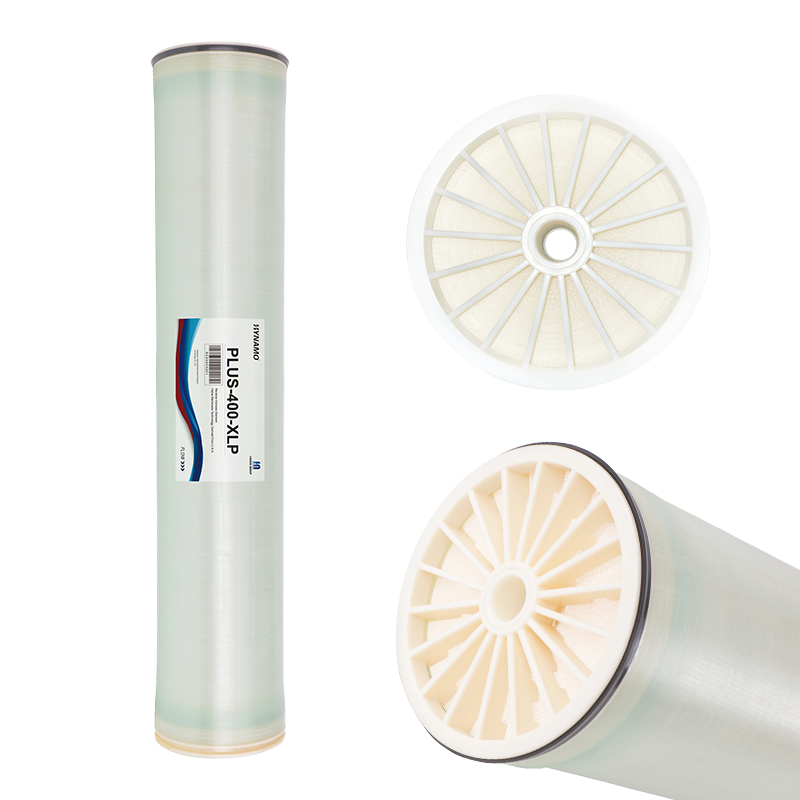
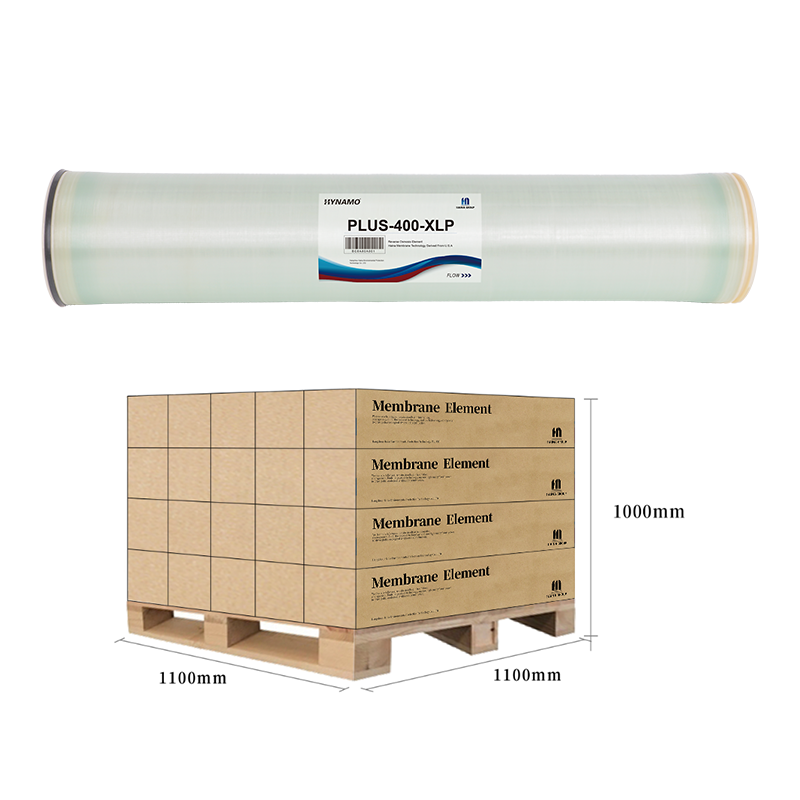
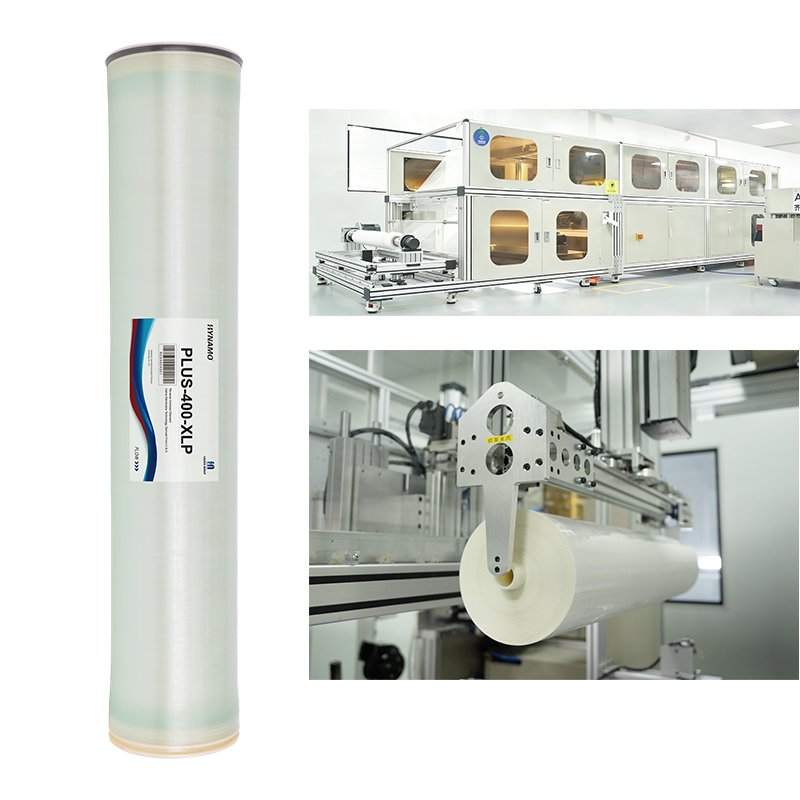
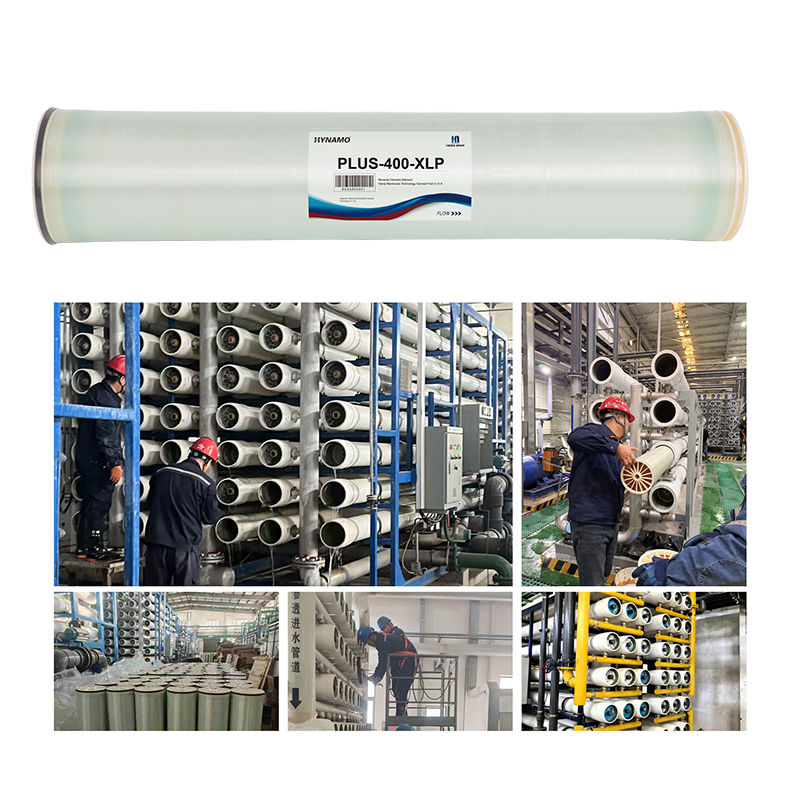
Industrial RO Membrane Element PLUS-400-XLP
Ultra‑low operating pressure, as low as 100 PSI – Compared with conventional low‑pressure membranes (which typically require 150–200 PSI), the XLP lowers the minimum operating pressure down to 100 PSI (approximately 0.69 MPa), greatly reducing dependence on high‑pressure pumps. This allows direct compatibility with lower‑head pump units, significantly cutting both initial system investment and long‑term power consumption. It is especially suitable for applications with pressure limitations or where high‑pressure supply is not available.
- Overview
- Parameter
- Recommended Products
Ultra‑low operating pressure, as low as 100 PSI – Compared with conventional low‑pressure membranes (which typically require 150–200 PSI), the XLP lowers the minimum operating pressure down to 100 PSI (approximately 0.69 MPa), greatly reducing dependence on high‑pressure pumps. This allows direct compatibility with lower‑head pump units, significantly cutting both initial system investment and long‑term power consumption. It is especially suitable for applications with pressure limitations or where high‑pressure supply is not available.
High water production even at low pressure – Under low‑pressure conditions, it still delivers an exceptionally large water production capacity of 12,500 GPD (gallons per day), meeting the continuous water demand of industrial processes and significantly improving overall water production efficiency.
Comprehensive energy saving and cost reduction – Low operating pressure, reduced pump power, lower cleaning frequency, and extended membrane replacement intervals lead to a substantial overall reduction in operation and maintenance costs.
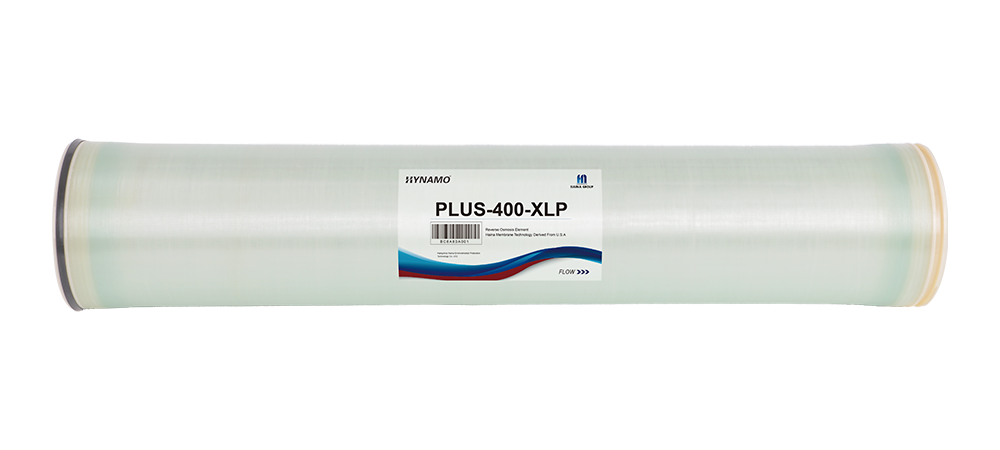
Core Advantages
Parameter
|
MODEL |
PLUS-400-XLP |
|
|
Product specifications |
Nominal salt rejection, % |
99 |
|
Minimum salt rejection, % |
98.5 |
|
|
Permeate flow rate, m3/d(gpd) |
47(12,500) |
|
|
Active membrane area, m2(ft2) |
37.2(400) |
|
|
Feed spacer, mil |
28 |
|
|
Test conditions |
Feed water NaCl, ppm |
500 |
|
Pressure, psi(bar) |
100(6.9) |
|
|
Temperature, ℉(℃) |
77(25) |
|
|
Recovery rate of single membrane element, % |
15 |
|
|
pH |
7-8 |
|
|
Max. operation limits |
Pressure, psi(bar) |
600(41.4) |
|
Feed water flow, m3/h |
17 |
|
|
Feed free chlorine tolerance, mg/l |
<0.1 |
|
|
pH range during continuously operation |
2-11 |
|
|
Max. pressure drop for single element, psi(bar) |
15(1.0) |
|
|
Temperature, ℉(℃) |
113(45) |
|
|
Feed Silt Density Index (15 min) SDI15 |
5 |
|
|
pH range during chemical cleaning |
1-13 |
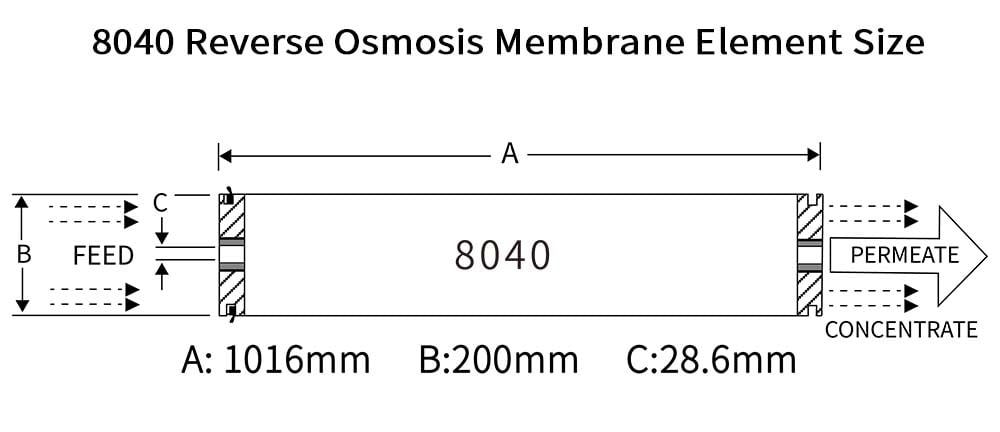
The XLP ultra‑low pressure membrane is particularly suitable for the following scenarios where conventional RO systems cannot be used due to limited feed water pressure:
-
Upgrading and retrofitting old RO systems: The existing pump units have insufficient head and cannot raise the pressure to the level required by conventional membranes. The XLP can be directly retrofitted without replacing the high‑pressure pumps, easily achieving improved efficiency and reduced energy consumption.
-
Areas with low‑pressure water supply: The feed water pressure itself is relatively low (e.g., direct municipal pipeline supply or low‑head well water). The system can operate without additional pressurization, saving the investment in booster equipment.
-
Locations with tight power supply or requiring mobile equipment: On‑site power capacity is limited and cannot support high‑power high‑pressure pumps; alternatively, for mobile water treatment units such as vehicle‑mounted, marine, or containerized systems, where energy consumption and space constraints are stringent.
-
Projects with simple pretreatment: The raw water quality is relatively good (e.g., tap water or reclaimed water reuse) and does not require high‑intensity desalination. The XLP can meet the permeate production requirements under low pressure, avoiding overdesign.
-
Occasions where pump noise or vibration needs to be reduced: Low‑pressure operation reduces pump load, lowers noise and mechanical wear, making it suitable for factories or community water stations with high environmental requirements.
In addition, the XLP is also applicable to conventional industrial water treatment in sectors such as electronics, chemicals, food, and printing/dyeing; however, its value is particularly prominent in the above‑mentioned “pressure bottleneck” scenarios.