
 EN
EN
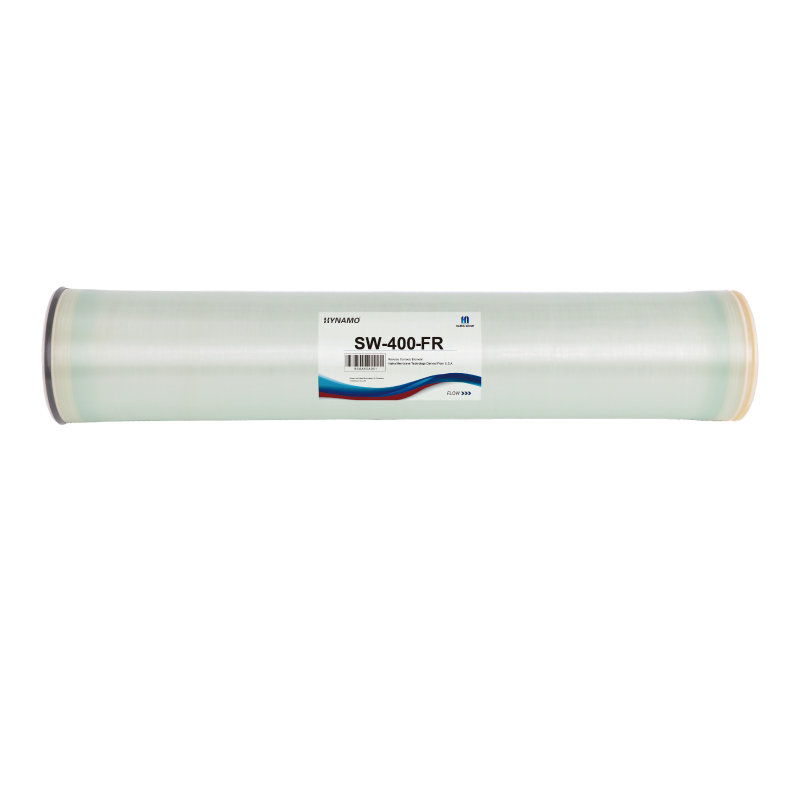
वैश्विक स्तर पर बढ़ता जल अभाव और जलवायु-प्रेरित आरओ झिल्ली की मांग
क्षेत्रीय जल तनाव मापदंड नगरपालिका विलवणीकरण और औद्योगिक पुनःउपयोग परियोजनाओं को तेज़ कर रहे हैं
जल की कमी अब कोई दूर का पूर्वानुमान नहीं है—यह दो अरब लोगों के लिए वर्तमान में एक सच्चाई बन गई है, जो ऐसे देशों में रहते हैं जहाँ जल आपूर्ति पर्याप्त नहीं है (यूनिसेफ, २०२३)। वर्ष २०४० तक, दुनिया के बच्चों में से लगभग २५% गंभीर जल की कमी का सामना करेंगे। ये परिस्थितियाँ नगरपालिकाओं को डिसैलिनेशन परियोजनाओं को तेज़ करने के लिए प्रेरित कर रही हैं: अंतर्राष्ट्रीय जल संघ (आईडब्ल्यूए) का अनुमान है कि वैश्विक डिसैलिनेशन बाज़ार वर्ष २०२५ तक ३१.३ अरब अमेरिकी डॉलर तक पहुँच जाएगा, जिसमें रिवर्स ऑस्मोसिस (आरओ) मेम्ब्रेन प्रौद्योगिकि अधिकांश नए सुविधाओं की मुख्य आधारशिला बनेगी।
इसके साथ ही, उद्योगों में जल पुनः उपयोग की प्रक्रिया तेज़ी से बढ़ रही है, क्योंकि कठोर होते जा रहे निकास नियमों और बढ़ती जल लागत के कारण निर्माताओं को प्रक्रिया जल का उपचार करना और उसे पुनर्चक्रित करना पड़ रहा है। उच्च लवण अस्वीकृति और जटिल अपशिष्ट जल को संभालने की क्षमता के कारण आरओ (RO) प्रणालियों का महत्वपूर्ण मूल्यांकन किया जाता है, और ये प्रयासों के केंद्र में हैं। उदाहरण के लिए, एशिया के जल-तनाव वाले क्षेत्रों में, औद्योगिक पार्क शून्य-तरल निकास (ZLD) प्रणालियों को लागू कर रहे हैं, जो अपशिष्ट जल के 95% तक की पुनर्प्राप्ति के लिए बहु-चरणीय आरओ पर निर्भर करते हैं।
क्षेत्रीय जल तनाव मापदंड—जैसे दक्षिणी यूरोप में यूरोपीय संघ का जल शोषण सूचकांक प्लस (WEI+) और मध्य पूर्व में दस्तावेज़ीकृत भूजल क्षरण दरें—नए विलवणीकरण और पुनः उपयोग परियोजना घोषणाओं के साथ सीधे संबंधित हैं। यह संरेखण आरओ झिल्लियों को जलवायु-लचीली जल योजना में आधारभूत बुनियादी ढांचे के रूप में पुष्टि करता है—केवल उपचार घटक नहीं।
जलवायु परिवर्तनशीलता के कारण विश्वसनीय, उच्च-अस्वीकृति वाली आरओ झिल्ली प्रणालियों की मांग तेज़ी से बढ़ रही है
जलवायु परिवर्तन जल संसाधनों में अस्थिरता को बढ़ा रहा है, जिसके कारण लंबे समय तक चलने वाले सूखे और अनियमित वर्षा के कारण कच्चे जल की उपलब्धता और गुणवत्ता में लगातार बाधा आ रही है। उपयोगिता कंपनियाँ वैकल्पिक स्रोतों—जैसे खारे भूजल और समुद्री जल—की ओर मुड़ रही हैं, जिनके लिए उच्च-अस्वीकृति आरओ (RO) प्रणालियों की आवश्यकता होती है, जो कड़े स्वास्थ्य मानकों को पूरा करने वाला पीने योग्य जल लगातार आपूर्ति कर सकें।
इस चुनौती का सामना करने के लिए, झिल्ली की रसायन विज्ञान और मॉड्यूल डिज़ाइन तेज़ी से विकसित हो रहे हैं। अब पतली-फिल्म संयोजित (TFC) झिल्लियाँ, जिनमें बढ़ी हुई नमक अस्वीकृति (>99.7%) और दूषण प्रतिरोधकता होती है, सूखे के दौरान कुल घुले हुए ठोस पदार्थों और कार्बनिक भार में वृद्धि के बावजूद प्रदर्शन बनाए रखने के लिए नियमित रूप से निर्दिष्ट की जाती हैं। जलवायु-प्रतिरोधी बुनियादी ढांचे की योजना बनाते समय आरओ (RO) प्रणालियों को दूरस्थ निगरानी और अनुकूलनशील नियंत्रण के साथ एकीकृत किया जाता है—जिससे प्रवाह की स्थिति में उतार-चढ़ाव के प्रति वास्तविक समय में प्रतिक्रिया करना संभव हो जाता है।
जब चरम मौसम की घटनाएँ तीव्र हो रही हैं, तो उच्च-गुणवत्ता वाले जल की अविरत आपूर्ति अब अटल हो गई है। यह आवश्यकता ऐसी स्थायी, उच्च-अस्वीकृति आरओ झिल्लियों की माँग को तेज़ कर रही है, जिन्हें दीर्घकालिक विश्वसनीयता के लिए डिज़ाइन किया गया है—केवल प्रयोगशाला में शिखर प्रदर्शन के लिए नहीं।
नियामक आदेश आरओ झिल्ली अपनाने और विनिर्देशन को तेज़ कर रहे हैं
यूरोपीय संघ का जल पुनःउपयोग विनियमन और संयुक्त राज्य अमेरिका की पीएफएएस उपचार नीतियाँ आरओ झिल्ली प्रदर्शन आवश्यकताओं को कड़ा कर रही हैं
यूरोपीय संघ के जल पुनःउपयोग विनियमन (2020/741) में पुनर्प्राप्त जल के लिए कठोर गुणवत्ता वर्गों की स्थापना की गई है, जिसमें रोगजनकों और सूक्ष्म-दूषकों के लगभग पूर्ण अपवाहन की आवश्यकता होती है—इससे आरओ झिल्लियों के लिए न्यूनतम स्वीकार्य अस्वीकृति दहलीज बढ़ जाती है। इसी प्रकार, यू.एस. ईपीए का पीएफएएस रणनीतिक मार्गदर्शिका पेर- और पॉलीफ्लुओरोएल्काइल पदार्थों के लिए लागू करने योग्य सीमाएँ निर्धारित करता है, जिनका देश भर में 2,854 से अधिक स्थानों पर दूषण पुष्ट किया गया है (ईडब्ल्यूजी, 2023)। इन दोनों ढांचों के संयुक्त प्रभाव से खरीद प्रक्रिया में परिवर्तन आ रहा है: अब नगरपालिका जल-लवणता अपोहन और औद्योगिक पुनःउपयोग परियोजनाओं में टीएफसी झिल्लियों की आवश्यकता होती है, जिनकी सत्यापित लवण अस्वीकृति 99.7% से अधिक हो तथा पीएफएएस के सुसंगत अपवाहन 10 ट्रिलियन में भागों से कम हो।
महत्वपूर्ण रूप से, नियामक अधिकारियों और खरीदारों का ध्यान आदर्शीकृत प्रयोगशाला डेटा से हटकर वास्तविक दुनिया के मान्यता प्राप्ति पर स्थानांतरित हो रहा है—जिसमें परिवर्तनशील फीडवाटर रसायन शास्त्र और वास्तविक फ़ाउलिंग स्थितियों के तहत प्रदर्शन परीक्षण की आवश्यकता होती है। यह संगम एंटी-फ़ाउलिंग सतह कोटिंग्स, अनुकूलित मॉड्यूल ज्यामिति और अंतर्निहित प्रदर्शन निगरानी उपकरणों में नवाचार को प्रेरित कर रहा है। परिणामस्वरूप, प्रतिस्पर्धी परिदृश्य अब ऐसी झिल्लियों द्वारा परिभाषित किया जा रहा है जो लंबे समय तक टिकाऊपन का प्रदर्शन करती हैं, केवल प्रारंभिक फ्लक्स नहीं।
एसएमई के लिए अनुपालन लागत दबाव: कठोर निकास मानकों को आरओ झिल्ली जीवन चक्र अर्थशास्त्र के साथ संतुलित करना
छोटे और मध्यम आकार के उद्यम (एसएमई) द्वारा निकास मानकों के कड़े होने के अनुकूलन के लिए गहन वित्तीय दबाव का सामना करना पड़ता है। एक आरओ प्रणाली एक महत्वपूर्ण पूंजी निवेश का प्रतिनिधित्व करती है, जिसकी जीवन चक्र लागत ऊर्जा उपयोग (आमतौर पर २–३ किलोवाट-घंटा/घन मीटर) और प्रत्येक ३–५ वर्ष में मेम्ब्रेन के प्रतिस्थापन पर भारी निर्भर करती है। एक विशिष्ट खाद्य प्रसंस्करण सुविधा के लिए, ९५% सीओडी कमी प्राप्त करना संचालन व्यय को १.५० अमेरिकी डॉलर/घन मीटर तक बढ़ा सकता है (ग्लोबल वॉटर इंटेलिजेंस, २०२२)—जो एक ऐसा बोझ है जिसे बड़ी कंपनियाँ अधिक आसानी से सहन कर लेती हैं।
इसे प्रबंधित करने के लिए, छोटे और मध्यम आकार के उद्यमों (SMEs) को खरीद मूल्य मूल्यांकन से कुल स्वामित्व लागत (TCO) के मूल्यांकन की ओर स्थानांतरित होना चाहिए, जिसमें फ़ौलिंग प्रतिरोध, सफ़ाई की आवृत्ति, वारंटी की शर्तें और ऊर्जा दक्षता का मूल्यांकन शामिल हो। उभरते मॉडल—जैसे मेम्ब्रेन-एज़-ए-सर्विस और प्रदर्शन-आधारित अनुबंध—अपनाने के जोखिम को कम करने में सहायता करते हैं, जबकि कम-फ़ौलिंग मेम्ब्रेन सेवा अंतराल को 30% तक बढ़ा सकते हैं और ऊर्जा की मांग को कम कर सकते हैं। नियामक तकनीकी सहायता कार्यक्रमों और स्तरीकृत अनुपालन समयसीमाओं के साथ प्रतिक्रिया कर रहे हैं, जो SME की पूंजी क्षमता के अनुरूप चरणबद्ध कार्यान्वयन को सक्षम बनाते हैं। यह व्यावहारिक दृष्टिकोण सुनिश्चित करता है कि नियामक लक्ष्य आगे बढ़ें, बिना छोटे ऑपरेटरों को हाशिए पर धकेले।
RO मेम्ब्रेन उत्पादन में सामग्री विज्ञान और स्मार्ट विनिर्माण नवाचार
अगली पीढ़ी की पतली-फ़िल्म संयोजित और नैनोसामग्री-उन्नत RO मेम्ब्रेन, जो प्रवाह, अस्वीकरण और फ़ौलिंग प्रतिरोध में सुधार करती हैं
जबकि पतली-फिल्म संयोजित (टीएफसी) पॉलीएमाइड झिल्लियाँ अभी भी प्रमुख हैं, अगली पीढ़ी के सामग्री ऐतिहासिक पारगम्यता-चयनात्मकता के सौदे को पार कर रही हैं। शोधकर्ता आणविक-स्तरीय जल चैनल बनाने के लिए सक्रिय परत में नैनोसामग्री—जिनमें एक्वापोरिन प्रोटीन, कार्बन नैनोट्यूब और ग्राफीन ऑक्साइड शामिल हैं—को अंतर्निहित कर रहे हैं। ये नैनो-उन्नत झिल्लियाँ लवण या सूक्ष्म-दूषक अस्वीकृति को कम न करते हुए प्रवाह में वृद्धि करती हैं।
मैल का जमाव अभी भी प्राथमिक संचालन बाधा है, जो दबाव-संचालित प्रणालियों में ऊर्जा खपत को ६०% तक बढ़ा सकता है। इसके समाधान के लिए, सतह के पैटर्निंग और ज़्विटरियन कोटिंग में नवाचारों ने स्थिर जलीय परतों की स्थापना की है, जो कार्यात्मक रूप से कार्बनिक मैल और जैव-फिल्मों को विकर्षित करती हैं—जिससे रासायनिक सफाई की आवृत्ति कम होती है और कार्यात्मक आयु बढ़ती है। अग्रणी निर्माताओं ने अब उन्नत टीएफसी (TFC) भिन्नताओं को व्यावसायिक स्तर पर लॉन्च कर दिया है, जो दस साल पहले की मानक झिल्लियों की तुलना में ३०–५०% अधिक पारगम्यता प्रदान करती हैं—जो उच्च-पुनर्प्राप्ति, ऊर्जा-संवेदनशील लवणता हटाने की प्रणालियों के लिए एक महत्वपूर्ण लाभ है।
उद्योग ४.० एकीकरण: डिजिटल ट्विन, कृत्रिम बुद्धिमत्ता-संचालित पूर्वानुमानात्मक रखरखाव, और आरओ (RO) झिल्ली निर्माण में दोष कम करना
सटीक ढलाई वाली नैनो-स्तरीय पॉलीएमाइड परतें आरओ झिल्ली के उत्पादन को उद्योग ४.० परिवर्तन के लिए अद्वितीय रूप से उपयुक्त बनाती हैं। बैच प्रसंस्करण से आगे बढ़कर, स्मार्ट निरंतर विनिर्माण लाइनें डिजिटल ट्विन्स का उपयोग करती हैं—जो कि कोटिंग और अंतरापृष्ठीय बहुलकीकरण चरणों से वास्तविक समय के सेंसर डेटा से भरे गए आभासी प्रतिरूप हैं—जिनके माध्यम से प्रक्रिया के मापदंडों का तत्काल अनुकरण और अनुकूलन किया जा सकता है। ऑपरेटर भौतिक परीक्षण-और-त्रुटि के बिना तापमान, मोनोमर सांद्रता और अभिक्रिया के समय को समायोजित कर सकते हैं।
कृत्रिम बुद्धिमत्ता-संचालित छवि विश्लेषण सूक्ष्म दोषों—जैसे सूक्ष्म छिद्र, शुष्क स्थान, मोटाई में भिन्नता—का पता लगाता है, जो मानव आँख के लिए अदृश्य होते हैं, जिससे केवल दोषरहित झिल्ली शीट्स अंतिम असेंबली के लिए आगे बढ़ती हैं। भविष्यवाणी करने वाले रखरखाव एल्गोरिदम महत्वपूर्ण उपकरणों से कंपन और तापीय संकेतों की निगरानी करते हैं, ताकि अप्रत्याशित ठहराव के कारण अत्यंत सटीक निर्माण वातावरण में व्यवधान न उत्पन्न होने से पहले ही हस्तक्षेप की योजना बनाई जा सके। इन एकीकृत क्षमताओं ने गुणवत्ता नियंत्रण सहिष्णुताओं को कड़ा कर दिया है और उत्पादन के अपशिष्ट को कम कर दिया है, जिसमें कुछ सुविधाओं ने गुणवत्ता से संबंधित कचरा लागत में वार्षिक रूप से २५% तक की कमी की रिपोर्ट दी है।
स्थायित्व की आवश्यकताएँ आरओ झिल्ली के डिज़ाइन और उत्पादन को पुनर्गठित कर रही हैं
पारंपरिक आरओ झिल्ली के उत्पादन का पर्यावरणीय प्रभाव व्यवस्थागत परिवर्तन को प्रेरित कर रहा है। पारंपरिक निर्माण में डाइमेथिलफॉर्मामाइड जैसे विषैले विलायकों और ऊर्जा-गहन चरण उलट की प्रक्रिया पर निर्भरता होती है—जो खतरनाक अपशिष्ट धाराएँ उत्पन्न करती है। इसके जवाब में, शोध समूहों और प्रमुख निर्माताओं ने जैव-आधारित बहुलक विकल्पों और गैर-विषैले विलायक प्रणालियों का विकास किया है, जो वाष्पशील कार्बनिक यौगिक (वीओसी) उत्सर्जन को ४०% तक कम कर सकते हैं (जर्नल ऑफ मेम्ब्रेन साइंस, २०२३)। ये अगली पीढ़ी की झिल्लियाँ उच्च लवण अस्वीकरण बनाए रखती हैं, जबकि महँगी विलायक पुनर्प्राप्ति अवसंरचना को समाप्त कर देती हैं—जिससे सीधे कार्बन तीव्रता में कमी आती है।
उत्पादन के अतिरिक्त, स्थायित्व के लक्ष्य आरओ प्रणाली के संचालन को परिवर्तित कर रहे हैं। उन्नत पतली-फिल्म नैनोकॉम्पोज़िट परतें समुद्री जल के विलवणीकरण में विशिष्ट ऊर्जा उपयोग को २.५ किलोवाट-घंटा/घन मीटर से कम करने में सक्षम बनाती हैं—जो पुराने डिज़ाइनों की तुलना में ३०% सुधार है (अंतर्राष्ट्रीय विलवणीकरण संघ, २०२४)। परिपत्र अर्थव्यवस्था के मॉडल भी लोकप्रिय हो रहे हैं: उपयोग-समाप्ति के बाद के झिल्लियों का पुनः उपयोग अति-निस्पंदन माध्यम के रूप में किया जाता है या रासायनिक रूप से पॉलिमर पूर्ववर्तियों में पुनर्चक्रित किया जाता है, जिससे प्रति वर्ष हज़ारों टन प्लास्टिक को लैंडफिल्स से हटाया जाता है। ये समन्वित प्रगतियाँ सुनिश्चित करती हैं कि आरओ प्रौद्योगिकी शुद्ध-शून्य जल अवसंरचना के लक्ष्यों के साथ समानांतर विकसित होती रहे।
अक्सर पूछे जाने वाले प्रश्न
विश्व स्तर पर आरओ झिल्लियों की मांग को क्या प्रेरित कर रहा है?
वैश्विक जल की कमी और जलवायु परिवर्तनशीलता आरओ झिल्लियों की मांग को बढ़ाने के प्रमुख कारक हैं। शहरी विलवणीकरण और औद्योगिक पुनःउपयोग की परियोजनाओं को जल तनाव को दूर करने और कठोर नियमों का पालन करने के लिए विश्वसनीय, उच्च-अस्वीकृति वाली प्रणालियों की आवश्यकता होती है।
जलवायु संबंधी चुनौतियाँ आरओ झिल्ली के डिज़ाइन को कैसे प्रभावित कर रही हैं?
कच्चे जल की गुणवत्ता में उतार-चढ़ाव और लंबे समय तक चलने वाले सूखे जैसी चुनौतियों को पूरा करने के लिए झिल्ली की रसायन विज्ञान और मॉड्यूल डिज़ाइन में विकास हो रहा है। इसमें बढ़ी हुई अस्वीकृति दरें, फ़ौलिंग प्रतिरोध, और वास्तविक समय में प्रतिक्रिया के लिए अनुकूलनशील नियंत्रण शामिल हैं।
आरओ अपनाने में विनियमों की क्या भूमिका है?
यूरोपीय संघ के जल पुनः उपयोग विनियम और संयुक्त राज्य अमेरिका की पीएफएएस शमन नीतियों जैसे विनियम उच्च लवण अस्वीकृति और सूक्ष्म प्रदूषक निकालने को अनिवार्य कर रहे हैं। ये अनुपालन आवश्यकताएँ झिल्ली के प्रदर्शन में नवाचार को तेज़ कर रही हैं।
आरओ झिल्ली निर्माण में कौन-कौन से उन्नतियाँ की जा रही हैं?
नैनोसामग्री सुधार, डिजिटल ट्विन्स और कृत्रिम बुद्धिमत्ता आधारित दोष जाँच सहित सामग्री विज्ञान और उद्योग ४.० के दृष्टिकोण आरओ झिल्लियों की दीर्घकालिक टिकाऊपन, फ़ौलिंग प्रतिरोध और निर्माण की सटीकता को बढ़ा रहे हैं।
स्थायित्व संबंधी चिंताएँ आरओ उत्पादन को कैसे पुनर्आकारित कर रही हैं?
विषैले विलायकों और ऊर्जा-गहन प्रक्रियाओं को जैव-आधारित बहुलकों और गैर-विषैले विकल्पों के साथ बदला जा रहा है। इसके अतिरिक्त, जीवन-अंत के मेम्ब्रेन्स का पुनः उपयोग किया जाता है या रासायनिक रूप से पुनर्चक्रित किया जाता है ताकि शुद्ध-शून्य लक्ष्यों को प्राप्त किया जा सके।