The Evolution of Residential Hydration
The modern kitchen is undergoing a quiet but significant transformation driven by a growing demand for both absolute purity and extreme convenience. For years, households have relied on two separate, often cumbersome systems—a bulky reverse osmosis (RO) unit tucked away under the sink for clean drinking water, and an electric kettle or a stovetop pot for hot water. Today, the seamless integration of advanced multi-stage filtration technology and high-performance instant heating elements into a single, compact water purifier dispenser represents a major leap forward in domestic engineering. This combination is not just about clearing up clutter on the kitchen counter; it is about providing an effortless, on-demand solution that aligns perfectly with the fast-paced nature of contemporary life. It ensures that every drop of water is safe, clean, and available at the exact temperature required, setting a new bar for what a home water station should achieve.
Mastering the Science of Purity and Temperature
At the heart of these modern integrated dispensers lies the sophisticated integration of a multi-stage RO membrane, which typically features incredibly fine pore sizes as small as 0.0001 microns. This core technology works tirelessly to strip away dissolved salts, stubborn heavy metals, and persistent microorganisms that often escape standard filters. By combining this rigorous purification process with a state-of-the-art instant heating module, the system ensures that the output is not only chemically safe but also perfectly temperature-controlled for immediate use. Unlike traditional storage-based water heaters—which can unfortunately lead to water re-contamination over time or significant energy waste through constant reheating—instant heating technology utilizes high-performance thermal elements. These elements heat the water instantly as it flows through the dispenser, ensuring the water remains fresh, oxygenated, and biologically stable right up until it hits the cup.
Optimizing Space and Operational Efficiency
One of the most profound advantages of these all-in-one systems is the dramatic reclamation of valuable kitchen real estate. Traditional under-sink RO setups often require large, heavy storage tanks that consume precious cabinet space and, if not maintained with absolute rigor, can become potential breeding grounds for bacteria. By utilizing a smart, tankless, and fully integrated design, these new dispensers completely eliminate the need for secondary storage. This creates a direct, streamlined, and much safer path from the source directly to the glass. Furthermore, the operational efficiency gained by combining these functions means that users consume significantly less energy overall. There is no longer a need to boil excess water in a kettle, nor is there a need to keep a large tank of water constantly heated throughout the day. It is an engineering victory that balances high-capacity output with a minimal footprint.
Precision Control and User Safety
Safety, reliability, and extreme customization are paramount in high-end water purification systems. Advanced integrated dispensers allow users to select specific temperatures with incredible accuracy—ranging from crisp room temperature for direct drinking to precise, pre-set degrees perfect for brewing delicate green tea, robust coffee, or preparing infant formula safely. This high level of precision is achieved through advanced sensor arrays and intuitive digital interfaces that monitor both the water flow and the heating elements in real-time, adjusting dynamically to ensure consistency. By integrating these complex controls into a single, user-friendly unit, manufacturers can ensure a safer user experience. Features like child-safety locks for hot water and intelligent automatic shut-off functions provide genuine peace of mind, making these systems ideal for even the busiest and most crowded household environments.
Managing Thermal Dynamics for Consistent Quality
While the purification aspect is incredibly vital, managing the thermal dynamics of the heating process is what truly separates a high-quality system from a mediocre one. Water quality can be affected by the material of the heating element and the speed of heat transfer. High-end dispensers employ materials that do not leach contaminants back into the purified water during the heating phase, ensuring that the final output remains as pure as it was at the filtration stage. This requires a harmonious design between the RO membrane housing and the heating module. By ensuring that the water has no contact with scale-prone components or low-grade plastics, the system maintains the integrity of the water from start to finish. This depth of technical mastery is exactly what builds trust with discerning homeowners who demand nothing less than perfection from their kitchen appliances.
Setting Standards for Industrial and Residential Reliability
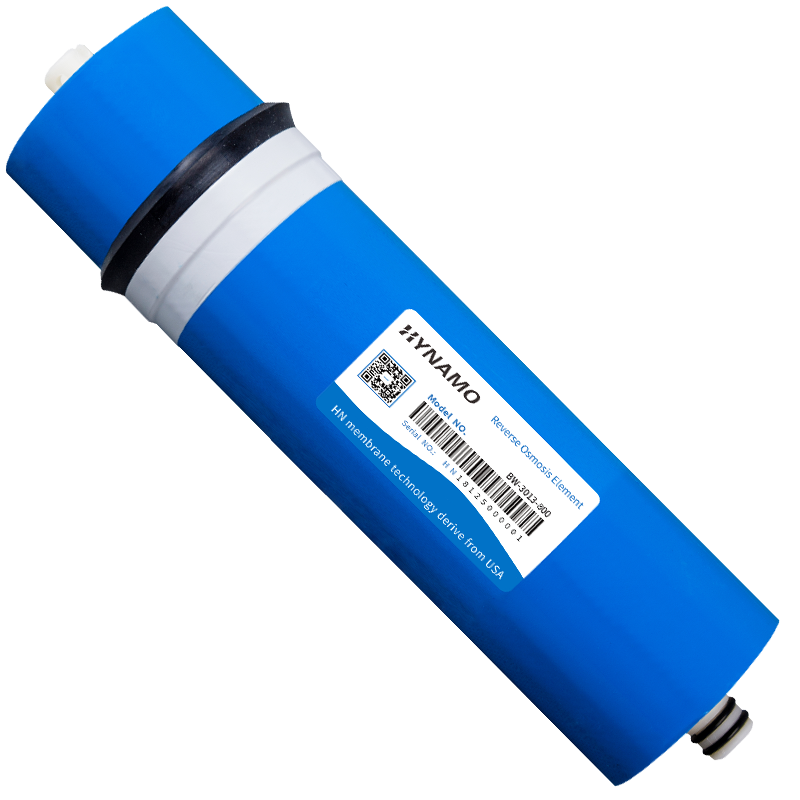
Ultimately, the performance of an integrated dispenser is dictated by the quality of its internal membrane and thermal components. Achieving consistent, batch-to-batch results requires a deep, uncompromising understanding of membrane science—a field where Hynamo has established significant expertise over nearly two decades of intensive research and development. By leveraging a massive, diverse portfolio of over 200 different specifications, including specialized reverse osmosis membranes and high-efficiency filtration elements, the manufacturing standards behind these integrated systems reflect an unwavering commitment to industrial-grade durability. For those seeking advanced water solutions that successfully bridge the gap between residential convenience and professional-grade purification, the focus on production refinement and brand differentiation ensures that the technology remains a reliable, long-term cornerstone of the modern home. Hynamo continues to drive innovation in this space, proving that high-quality components and thoughtful integration make all the difference in achieving the highest standard of daily hydration.

 EN
EN