
 EN
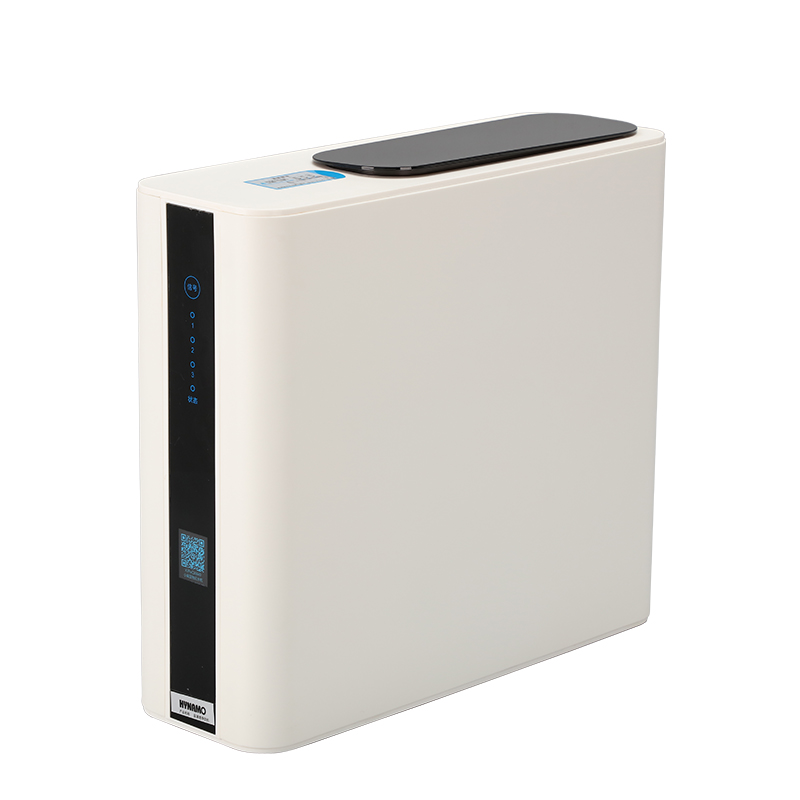
Why Continuous Flow Reliability Is Non-Negotiable for Catering Operations
Catering operations do not consume water at a steady rate. Prep, cooking, sanitation, and beverage production overlap to create sharp demand spikes—often exceeding 35 GPM during a lunch rush. A commercial water filter system unable to sustain rated flow under these surges causes pressure drops and forces unfiltered water through bypass lines. The result? Scale buildup in espresso machines, ice makers, and combi ovens—equipment whose failure halts service entirely. In high-volume stores, even a 20-minute interruption during peak hours erodes sales and customer trust; repeated flow instability accelerates wear on pumps, valves, and heating elements. Because catering stores often operate 18-hour shifts and lack secondary water lines, continuous flow reliability is the foundation for food safety, equipment protection, and staffing efficiency. Downtime is not recoverable: every minute a dishwasher or steam kettle waits for pressure to return adds labor cost and delays service. Flow consistency must therefore be treated as a non-negotiable design requirement—from the first sizing calculation onward.
Commercial Water Filter System Design: Matching Flow Rate, Capacity, and Redundancy to Peak Demand
A commercial water filter system sized only to average demand—not peak demand—creates bottlenecks, compromises food safety, and shortens equipment life. In catering environments, flow rate, capacity, and redundancy must be integrated into a single design strategy—not addressed as isolated afterthoughts.
Sizing by GPM and Duty Cycle: From Lunch Rush (35 GPM) to 18-Hour Shifts
Sizing begins with the highest simultaneous flow requirement—not daily averages. A lunch rush may demand 35 GPM across prep sinks, combi ovens, and beverage stations, while early-morning prep draws just 6–8 GPM. Equally critical is duty cycle: an 18-hour shift subjects filters to sustained flow, thermal cycling, and cumulative pressure drop that a four-hour intermittent operation does not. To avoid undersizing, match filter media surface area and housing diameter to verified peak GPM, then confirm pressure drop remains within equipment inlet specifications (typically 20–60 PSI, per NSF/ANSI 44 and 61 standards). Slight oversizing improves resilience—but extreme oversizing risks water stagnation during slow periods, increasing biofilm risk. Use the highest observed peak usage period as the design baseline, then subtract non-peak periods to avoid unnecessary capital and operational expense.
Redundancy Strategies: Dual-Cartridge, Modular Banks, and Bypass-Ready Configurations
Redundancy prevents a single maintenance event—or transient pressure spike—from halting dinner service. Dual-cartridge housings allow one side to remain online while the other is replaced, maintaining >90% of rated flow. Modular banks deploy multiple filter vessels in parallel; if one bank requires servicing, the rest sustain full demand. Bypass-ready configurations integrate isolation valves and dedicated pipe paths, enabling emergency cleaning or cartridge replacement without shutting down the entire store. For continuous operations, standby filter sets paired with fail-safe controls further reduce interruption risk during maintenance or unexpected pressure fluctuations. Prioritize redundancy for the most critical uses first—espresso, ice, and steam equipment—since those systems suffer fastest from unfiltered or low-flow water. This targeted approach delivers peak-hour stability without over-engineering every water line.
Protecting Critical Foodservice Equipment with Targeted Filtration Stages
A reliable commercial water filter system safeguards the most heat-sensitive and taste-critical assets in a catering store: espresso machines, ice makers, dishwashers, and prep sinks. Effective protection requires staged, purpose-built filtration—not a single all-purpose cartridge—because hardness, silica, chlorine, and sediment each demand distinct treatment mechanisms.
Espresso Machines and Ice Makers: Hardness (<1 gpg) and Silica Control
Espresso machines and ice makers require softened water with hardness below 1 grain per gallon (gpg) and silica reduced to manufacturer-specified levels—often <0.5 ppm. Excess hardness forms calcium carbonate scale in boilers, thermoblocks, and ice molds; silica deposits are harder to remove and can seize solenoid valves. According to the U.S. Department of Energy (2021), just 1/32 inch of scale increases energy use by ~10%. Specify a high-capacity ion-exchange softener or nanofiltration stage followed by sub-micron particulate filtration to preserve flow integrity and heat transfer efficiency. Low hardness and silica also yield clearer, odorless ice—critical for premium beverage presentation.
Dishwashers and Prep Sinks: Scale Inhibition + Carbon Polishing for Compliance & Taste
Dishwashers and prep sinks benefit from dual-stage protection: scale inhibition and carbon polishing. Polyphosphate or template-assisted crystallization (TAC) media prevent scale formation on rinse nozzles and heating elements—without adding sodium to the water stream. Carbon polishing removes chlorine and chloramines that degrade rubber gaskets, interfere with dough proofing, and impart off-tastes to washed produce. In municipal supplies where chloramine exceeds 2 ppm, catalytic carbon outperforms standard activated carbon in both capacity and longevity. This stage also supports regulatory compliance by keeping spray arms unblocked and ensuring final-rinse temperatures remain consistent. Together, these targeted stages extend equipment life, reduce service calls, and maintain clean-tasting water at every point of contact.
FAQ Section
Why is continuous flow reliability important for catering operations?
Continuous flow reliability ensures food safety, protects equipment, and improves staffing efficiency. Downtime during peak hours can erode customer trust and increase labor costs.
What factors should be considered when designing a commercial water filter system?
The system should match flow rate to peak demand, integrate redundancy strategies, and include targeted filtration stages to protect critical equipment and maintain water quality.
How can redundancy prevent interruptions in water flow during peak hours?
Redundancy strategies like dual-cartridge housings, modular banks, and bypass-ready designs ensure filtered water is available during maintenance or pressure spikes.
What types of filtration are needed for espresso machines and ice makers?
Espresso machines and ice makers require softening to reduce hardness and silica levels. Ion-exchange or nanofiltration stages paired with sub-micron filters are most effective.
How does filtration extend the life of dishwashers and prep sinks?
Dual-stage filtration prevents scale buildup and removes chlorine/chloramines, preserving equipment functionality and improving water quality for food preparation.
Table of Contents
- Why Continuous Flow Reliability Is Non-Negotiable for Catering Operations
- Commercial Water Filter System Design: Matching Flow Rate, Capacity, and Redundancy to Peak Demand
- Protecting Critical Foodservice Equipment with Targeted Filtration Stages
-
FAQ Section
- Why is continuous flow reliability important for catering operations?
- What factors should be considered when designing a commercial water filter system?
- How can redundancy prevent interruptions in water flow during peak hours?
- What types of filtration are needed for espresso machines and ice makers?
- How does filtration extend the life of dishwashers and prep sinks?