
 EN
EN
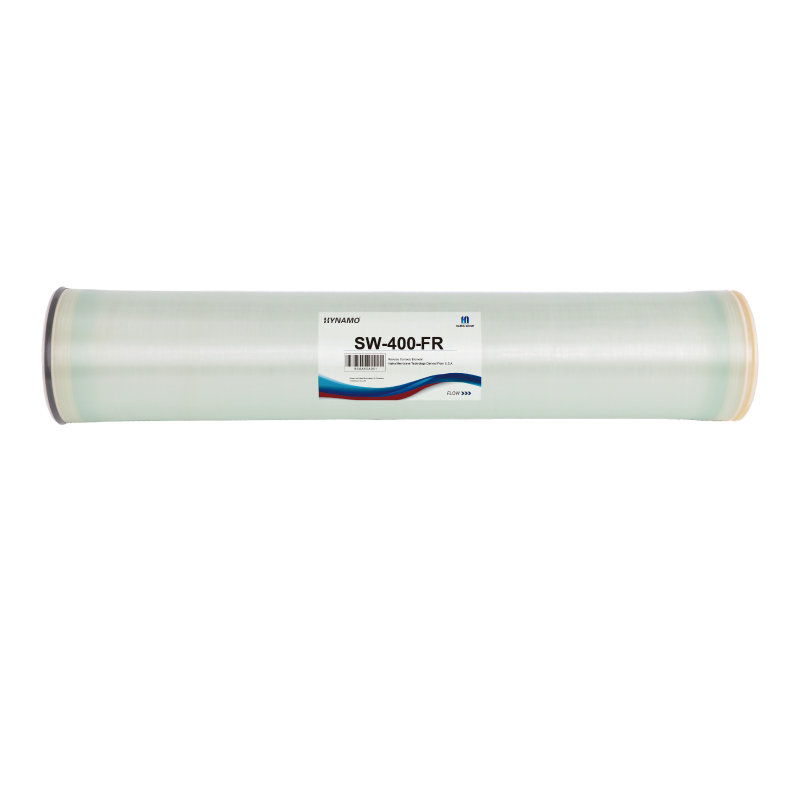
How Primary Sewage Treatment Functions as Physical Pretreatment
Primary sewage treatment acts as a physical pretreatment that removes large solids and floatables—functioning like a coarse filter before membrane filtration. This stage relies entirely on gravity to separate materials, reducing the load on downstream processes without chemical additives or biological activity.
Mechanism: Gravity-Based Solids Separation Mirrors Coarse Screening Principles
In primary sedimentation tanks, wastewater enters at low velocity and flows gently, with a typical detention time of 1.5 to 2.5 hours. This allows heavier particles to settle as primary sludge while lighter substances—such as oils, grease, and scum—rise to the surface. Mechanical scrapers collect settled sludge from the tank bottom; rotating skimmers remove floating material. This passive, gravity-driven separation functions much like coarse screening in conventional water treatment: it physically excludes large, settleable solids and floatables before finer processes begin. By removing 50–70% of incoming suspended solids, primary treatment protects downstream membrane systems from premature clogging, abrasive wear, and rapid fouling—delivering a low-energy, robust first barrier that ensures only fine and dissolved particulates advance.
Performance Benchmark: Typical TSS and BOD₅ Removal Rates in Conventional Primary Sedimentation
Well-designed primary sedimentation consistently reduces gross pollutants. Total Suspended Solids (TSS) are typically reduced by 50–70%, while Biochemical Oxygen Demand over 5 days (BOD₅)—a proxy for biodegradable organic load—drops by 25–40%. These removal rates assume optimal design parameters: detention times of 1.5–2.5 hours and surface overflow rates of 30–50 m³/m²·d. The performance directly supports membrane integrity: lower TSS and BOD₅ loads correlate with slower fouling progression, extended membrane life, and more stable flux. The removed solids become primary sludge, which is separately dewatered and stabilized. This load reduction is especially critical for membrane bioreactors (MBRs), where uncontrolled solids can trigger rapid, irreversible fouling.
| Parameter | Removal Efficiency |
|---|---|
| TSS (Total Suspended Solids) | 50–70% |
| BOD₅ (Biochemical Oxygen Demand) | 25–40% |
These figures underscore why primary treatment remains indispensable—not as a legacy step, but as a targeted, high-value physical buffer upstream of membranes.
The Strategic Sequencing of Primary Sewage Treatment Ahead of Membranes
Operational Necessity: Reducing Hydraulic and Organic Load to Meet Membrane Feed Specifications
Membrane systems require consistent, low-turbidity feed water to maintain design flux and avoid rapid fouling. Raw wastewater introduces a shock load of suspended solids, fats, oils, and fibrous debris that can clog pores within hours. Primary treatment serves as the essential physical buffer: gravity-based sedimentation strips out the bulk of settleable solids and associated organics before they reach the membrane. This step reduces hydraulic and organic loading to levels compatible with microfiltration and ultrafiltration specifications—most notably, achieving a practical feed TSS threshold of < 30 mg/L. As a result, plants experience less frequent backwashing, lower trans-membrane pressure, and greater operational stability. Critically, this load reduction enables higher net flux and fewer chemical cleanings—directly lowering energy use and maintenance costs.
Case Evidence: Ulu Pandan Pilot Plant — Quantifying Solids Load Reduction and Fouling Mitigation
A pilot-scale demonstration at Singapore’s Ulu Pandan Water Reclamation Plant (2021–2023) quantified the protective impact of primary treatment on membrane performance. Operational data showed primary sedimentation consistently removed 62% of influent TSS, cutting the average solids mass loading to the downstream membrane bioreactor from 5.8 kg/d to 2.2 kg/d. This 60% reduction yielded measurable operational improvements: maintenance cleaning frequency dropped by 35% (from once every 14 days to once every 21 days), major recovery cleanings were extended by 20%, and normalized membrane permeability remained stable 40% longer before reaching the critical fouling threshold. These results confirm that sequencing primary treatment ahead of membranes is not optional—it is a foundational design decision that mitigates irreversible fouling, preserves membrane integrity, and lowers whole-life system costs.
Protecting Membrane Integrity: How Primary Sewage Treatment Extends System Lifespan
Fouling Prevention: Correlation Between Primary Treatment Efficiency and Chemical Cleaning Frequency
Membrane fouling is fundamentally driven by solid accumulation—pore blockage, cake layer formation, and abrasive wear. Primary treatment intercepts the coarsest fraction of solids before they reach the membrane surface, directly limiting foulant mass. A well-operated clarifier also helps maintain feed water silt density index (SDI) below 3—a widely accepted benchmark for minimizing aggressive chemical cleaning. There is a direct, linear relationship between primary TSS removal efficiency and cleaning frequency: every incremental percentage point of solids removed upstream reduces the quantity of material available to foul membranes. For example, a facility achieving 60% TSS removal may sustain quarterly clean-in-place (CIP) intervals, whereas one achieving only 30% removal could face monthly cleaning—tripling chemical consumption, increasing downtime, and subjecting membranes to repeated chemical stress that accelerates aging and failure.
Critical Assessment: When Enhanced Primary Treatment Outperforms Conventional Design for MBR Integration
Conventional primary sedimentation depends solely on gravity and is vulnerable to hydraulic surges and variable settling characteristics—especially during wet-weather events that scour and carry over fine and colloidal solids. For MBR integration, this passive approach can become a reliability bottleneck. Enhanced primary treatment—incorporating controlled coagulation or flocculation—improves capture of these problematic fractions, delivering more consistent performance across flow variations. This shift represents a strategic move from reactive to proactive pretreatment. The table below compares key outcomes for MBR applications:
| Design Parameter | Conventional Primary Treatment | Enhanced Primary Treatment |
|---|---|---|
| Typical TSS Removal | 50–60% | 70–80% |
| Cleaning Interval | Potentially monthly under load variation | Stable quarterly schedule |
| Impact on Membrane Flux | Higher risk of rapid, irreversible fouling | Sustained design flux with lower fouling rate |
| Chemical Cost Profile | High, driven by frequent CIP | Lower, driven by stable, scheduled maintenance |
For facilities prioritizing predictable, low-maintenance MBR operation, enhanced primary treatment is not an added expense—it’s an investment in membrane longevity, operational certainty, and long-term cost efficiency. A whole-life cost analysis should weigh modest upfront chemical costs against substantial savings from reduced membrane replacements, downtime, and cleaning labor.
Frequently Asked Questions (FAQs)
What is primary sewage treatment?
Primary sewage treatment is a physical pretreatment step that uses gravity to separate heavier solids and lighter floatables from wastewater, helping protect downstream processes like membrane filtration.
Why is primary treatment important for membrane systems?
Primary treatment reduces suspended solids and organics in the wastewater, preventing premature clogging, fouling, and wear in membrane systems. This step ensures membranes operate efficiently and with less frequent maintenance.
What are typical removal rates for TSS and BOD₅ in primary sedimentation?
Primary sedimentation typically reduces Total Suspended Solids (TSS) by 50–70% and Biochemical Oxygen Demand (BOD₅) by 25–40%, depending on optimal design parameters.
How does enhanced primary treatment differ from conventional approaches?
Enhanced primary treatment uses coagulation or flocculation to capture finer and colloidal solids, delivering higher removal rates and more consistent performance during flow variations.
Can primary treatment extend the lifespan of membrane systems?
Yes, by removing solids that contribute to fouling, primary treatment reduces chemical cleaning frequency and abrasive wear, helping maintain membrane integrity and prolong their lifespan.
Table of Contents
- How Primary Sewage Treatment Functions as Physical Pretreatment
- The Strategic Sequencing of Primary Sewage Treatment Ahead of Membranes
- Protecting Membrane Integrity: How Primary Sewage Treatment Extends System Lifespan
-
Frequently Asked Questions (FAQs)
- What is primary sewage treatment?
- Why is primary treatment important for membrane systems?
- What are typical removal rates for TSS and BOD₅ in primary sedimentation?
- How does enhanced primary treatment differ from conventional approaches?
- Can primary treatment extend the lifespan of membrane systems?