 EN
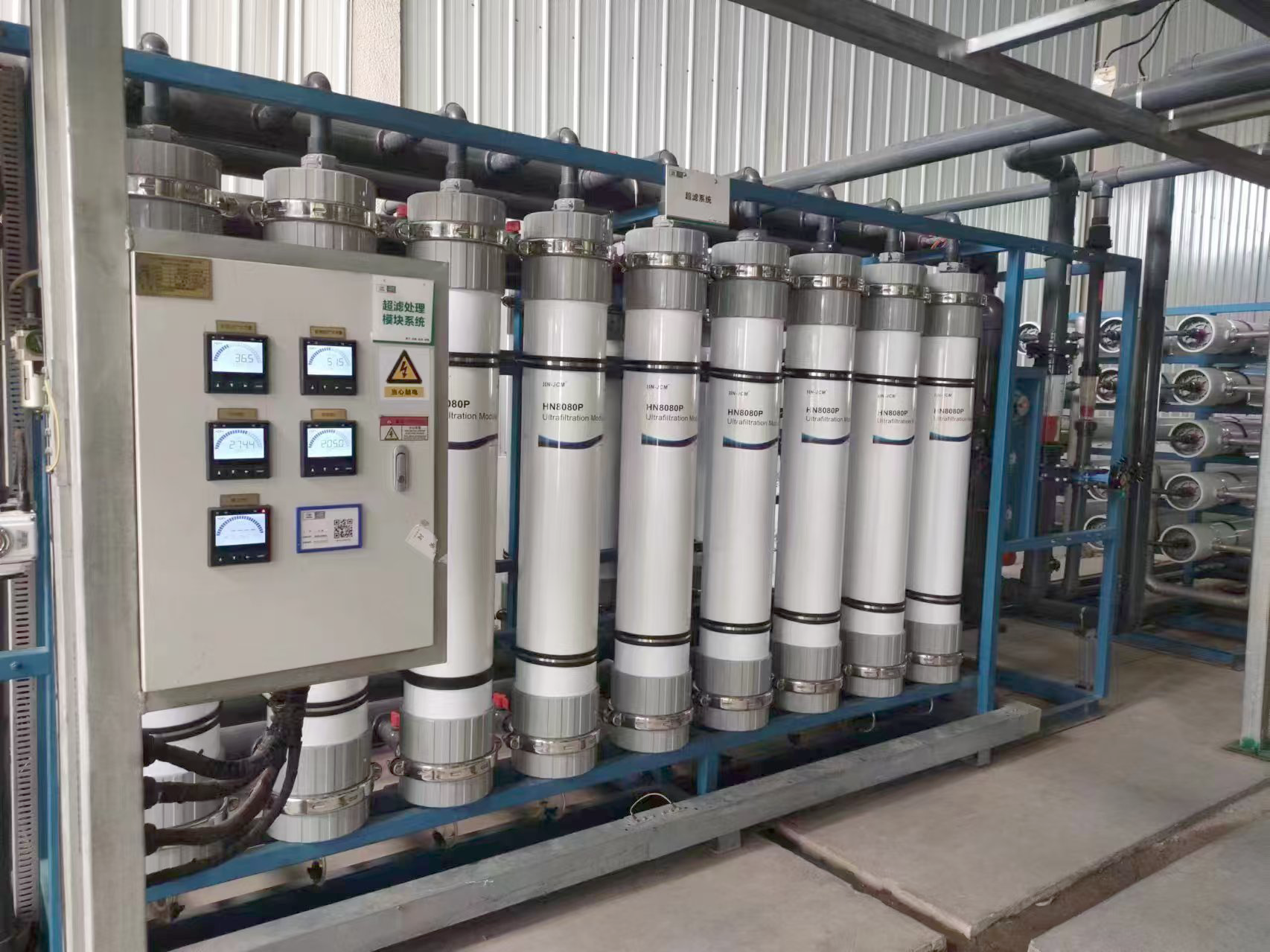
For industrial manufacturing facilities, water treatment plants, and commercial system integrators, procuring reverse osmosis (RO) elements is rarely a simple transactional purchase. Operating industrial membrane systems requires managing complex feed water chemistry, fluctuating seasonal flux rates, biological fouling risks, and ongoing pressure drop challenges.
Fidus RO membrane wholesale provider offers far more than bulk product delivery. Leading suppliers act as technical engineering partners, delivering specialized industrial RO membrane support that optimizes system uptime, extends element service life, and reduces total cost of ownership (TSS/TCO). Below is an in-depth breakdown of the engineering support wholesale suppliers provide to manufacturing clients.
Upstream Engineering & Projection Sizing Support
System failure often traces back to improper initial element selection or projection modeling. Before factory procurement, engineering teams at wholesale providers utilize advanced thermodynamic and projection software (such as ROSA, WAVE, or WinFlow equivalents) to model performance under actual site conditions.
-
Feed Water Chemistry Mapping: Analyzing raw water parameters including Total Dissolved Solids (TDS), silica concentration, Silt Density Index (SDI15), hardness, and temperature fluctuations to establish safe flux rates (GFD — Gallons per Square Foot per Day).
-
Element Configuration & Array Layout: Determining the precise vessel array ratio (such as 2:1 or 3:2:1 multi-stage setups) to maintain cross-flow velocity, prevent boundary layer concentration polarization, and balance recovery rates.
-
Specialized Membrane Selection: Recommending low-fouling (LF), extreme salt-rejection (HR), or energy-saving (XLE/BW) element chemistries tailored to specific industry effluents (e.g., textile dyeing, food processing, or electronics-grade ultrapure water).
On-Site & Remote Reverse Osmosis Membrane Diagnostics
When operational anomalies occur—such as sudden salt passage spikes, elevated pressure differential (ΔP), or rapid permeate flow loss—a competent supplier provides technical reverse osmosis membrane diagnostics to isolate the root cause.
| Failure Symptom | Primary Diagnostic Protocol | Typical Root Cause Identified | Engineering Corrective Action |
| Rapid ΔP Increase (First Stage) | Logga pressiuncula in canalu de alimentatio e dimensiona particulas | Obstructio per particulas, transgressio turbiditatis, vel contaminantes organicos | Meliora pre-filtrationem (1–5 micron) vel optima dosis de coagulans |
| Altus transitus salinus (ultima stage) | Profilatio permeati e prospectione individualis vasorum | Incrustratio mineralis (silica, sulfato de calcium, bariu) vel polarizatione de concentratione | Adiusta dosis de antiscalant e auge velocitate de lavatio concentrate |
| Perditio irreversibilis de fluxu | Autopsia de elementum membranaceum e verificatione chimica | Fouling bio irreversibilis vel oxidatione chimica (transgressio de chlorine) | Conduct destructive autopsy analysis and replace compromised elements |
Custom CIP (Clean-in-Place) Protocol Design
Generic off-the-shelf cleaning chemicals often fail to address complex fouling matrices, leading to incomplete recovery or physical membrane degradation. Wholesale providers engineer custom CIP protocols based on specific site deposit profiles:
-
Foulant Identification: Determining whether performance loss stems from inorganic scale, biological slime, colloidal silica, or metal oxide precipitates.
-
Targeted Chemical Formulation: Prescribing exact sequence regimens—such as low-pH acid washes (citric acid or HCl at pH 2.0) to dissolve mineral scale followed by high-pH alkaline washes (NaOH with chelating agents at pH 11.5–12.0) to strip organic slimes and bio-films.
-
Operational Parameters: Defining critical CIP constraints, including maximum temperature limits (e.g., 35°C–45°C), optimal flow rate velocity per pressure vessel, and maximum allowable differential pressure limits during recirculation.
Membrane Autopsy & Material Failure Analysis
For persistent or recurring system failures, top-tier suppliers provide forensic laboratory services. Membrane element autopsies provide definitive diagnostic clarity when standard field troubleshooting falls short:
-
Visual & Optical Inspection: Dissecting the element casing to examine feed mesh integrity, glue line adhesion, and surface foulant distribution.
-
Scanning Electron Microscopy (SEM) / EDX Analysis: Identifying elemental compositions of surface scales (e.g., distinguishing calcium carbonate from complex aluminum silicate matrices).
-
Loss on Ignition (LOI) & Dye Testing: Quantifying organic versus inorganic mass ratios and executing Rhodamine B dye testing to verify polyamide layer integrity or mechanical pinhole ruptures.
Wholesale Supply Chain & Commercial Support Metrics
Beyond pure technical engineering, industrial buyers require transparent operational standards from their RO membrane wholesale provider to support lean manufacturing schedules:
-
Batch Traceability & Quality Certification: Delivering individual factory pressure hold test data, wet-test salt rejection sheets (AQL 0.65 standards), and Certificate of Analysis (CoA) documentation with every shipment.
-
OEM/ODM Customization Capabilities: Offering private-label outer wrapping, custom color end-caps, private serial numbering, and bespoke outer tape branding for system integrators.
-
Buffer Stocking & Just-In-Time (JIT) Delivery: Maintaining reserved local or bonded warehouse safety stock to prevent factory downtime during emergency element replacement scenarios.
For complete product line specifications, OEM/ODM manufacturing capabilities, and custom system integration guides, visit our comprehensive